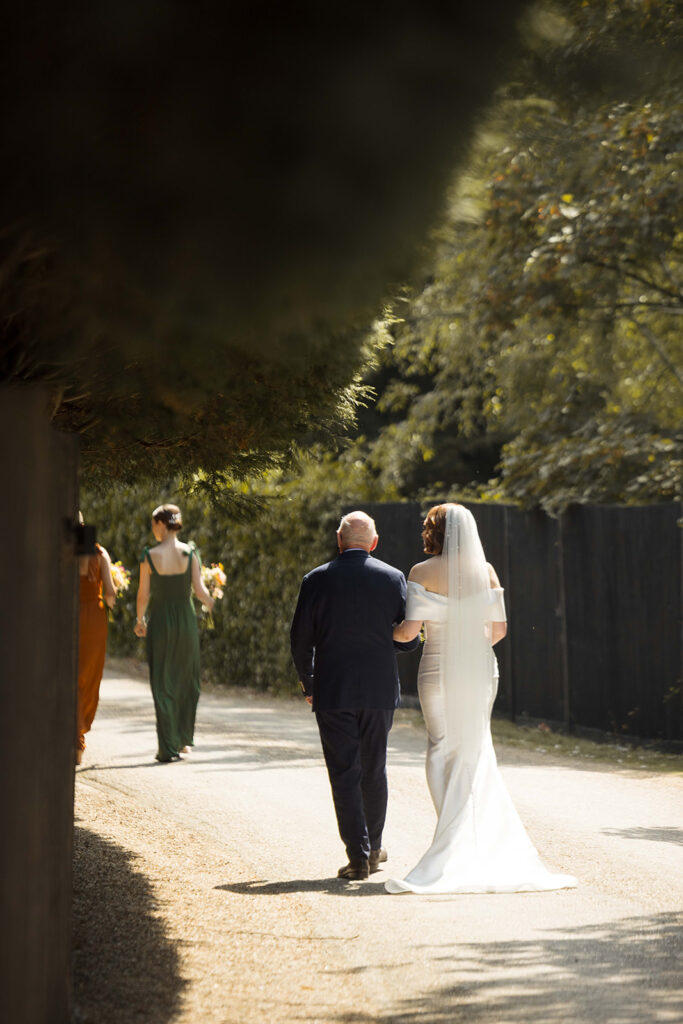
Getting Married in Later Life: A Calm, Modern Guide for Couples Who Want It to Feel Like Them
Getting married in later life has one huge advantage: you already know who you are. You’ve done the life bit. You’ve got opinions. You’ve probably been to enough weddings to know exactly what you love… and exactly what you’d rather never sit through again.
If the thought of scrolling through endless wedding blogs leaves you feeling a little disconnected, you’re not alone. A lot of advice is written for a different stage of life. This guide is for couples planning in their 40s, 50s, or beyond who want something relaxed, elegant, and genuinely personal — without the staged, awkward stuff.
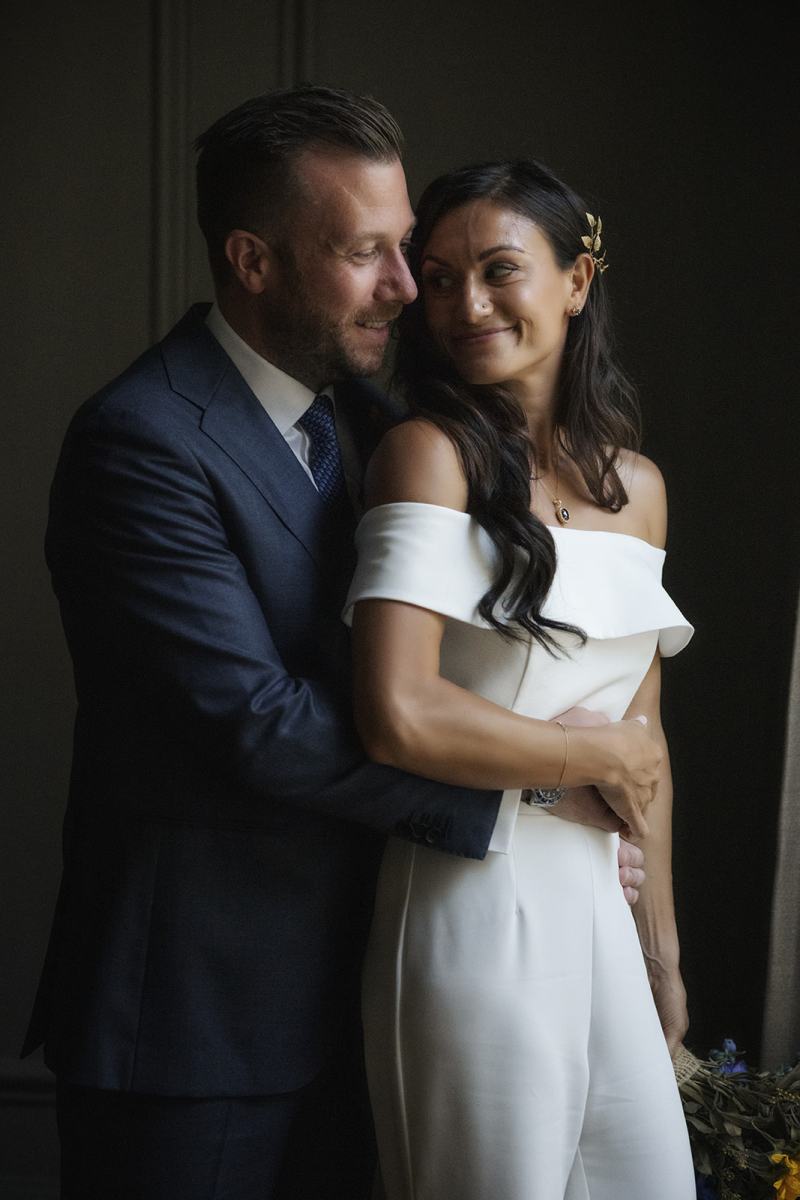
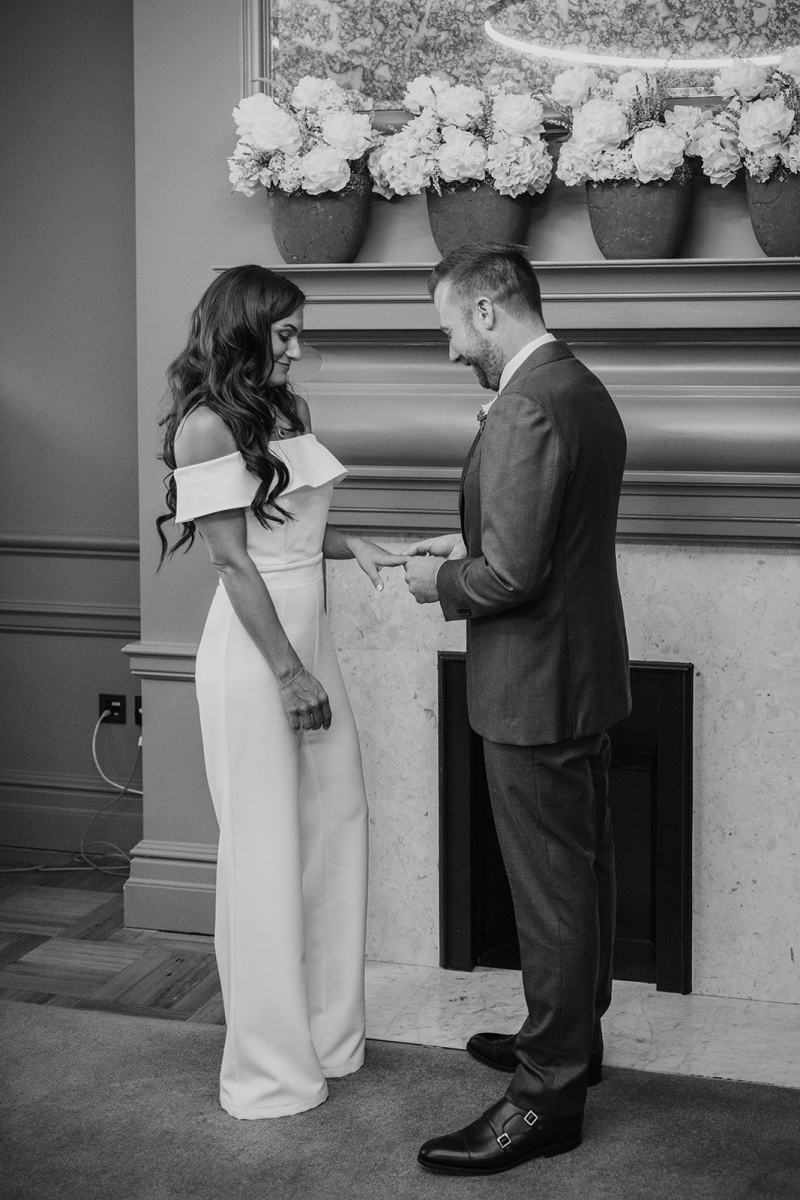
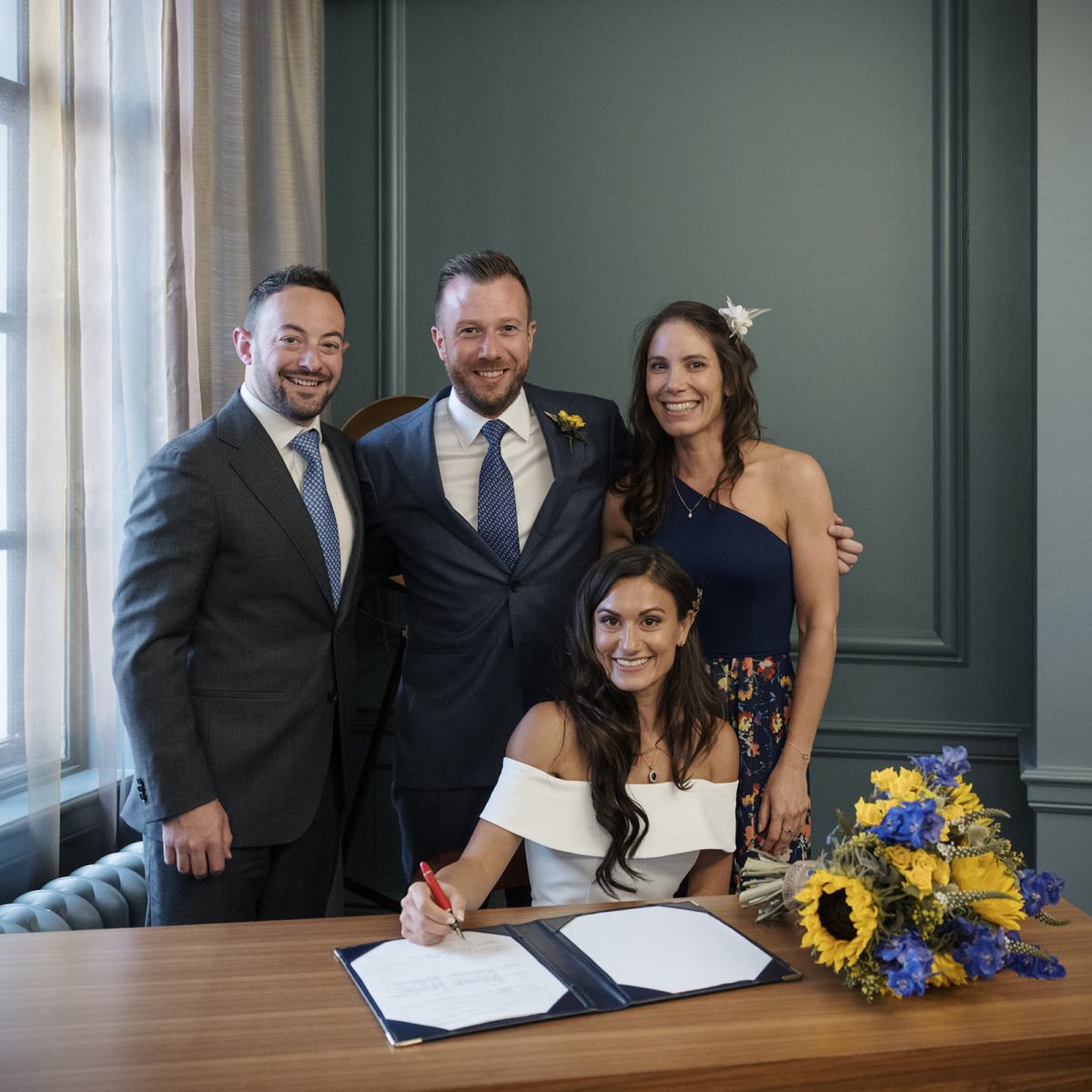
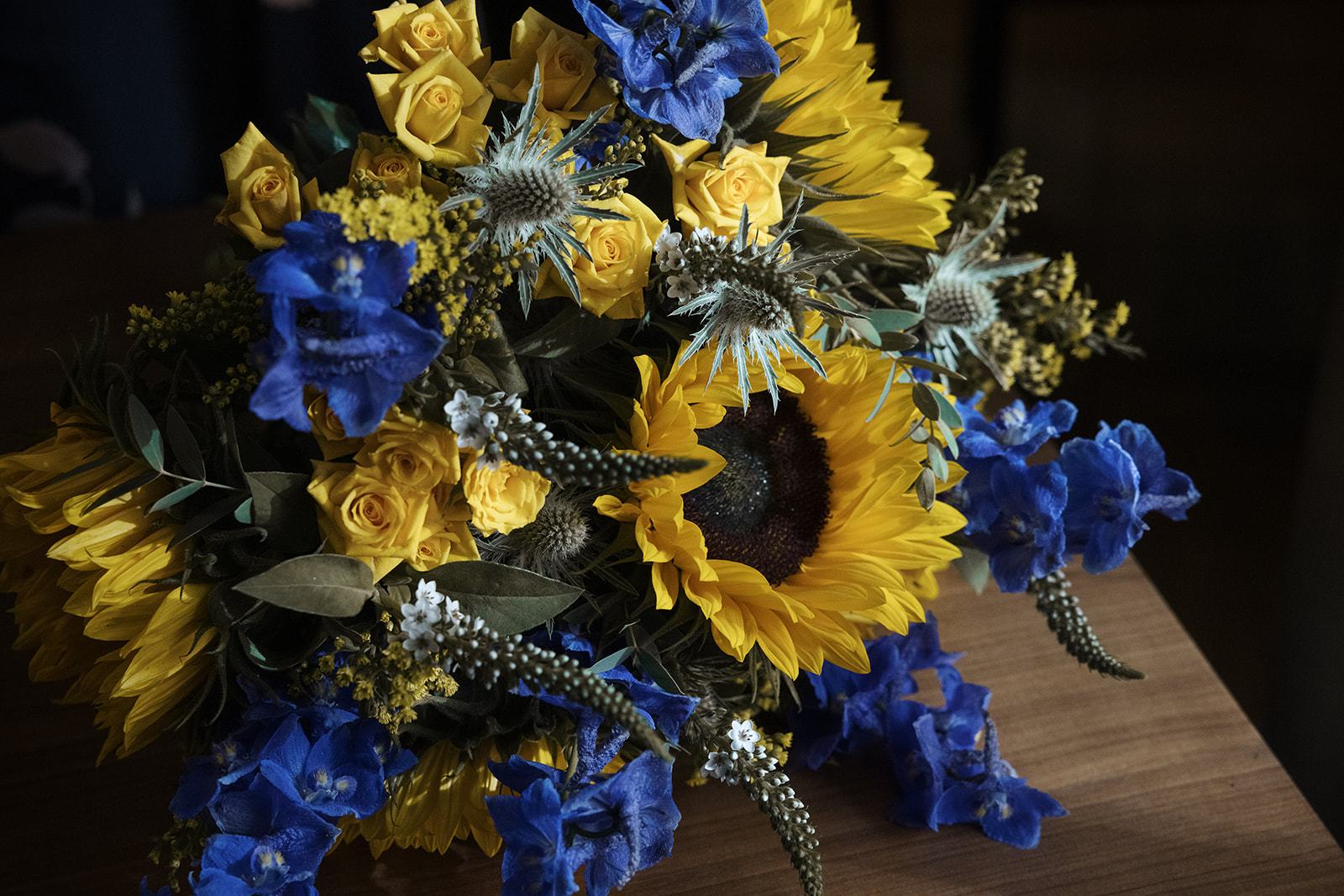
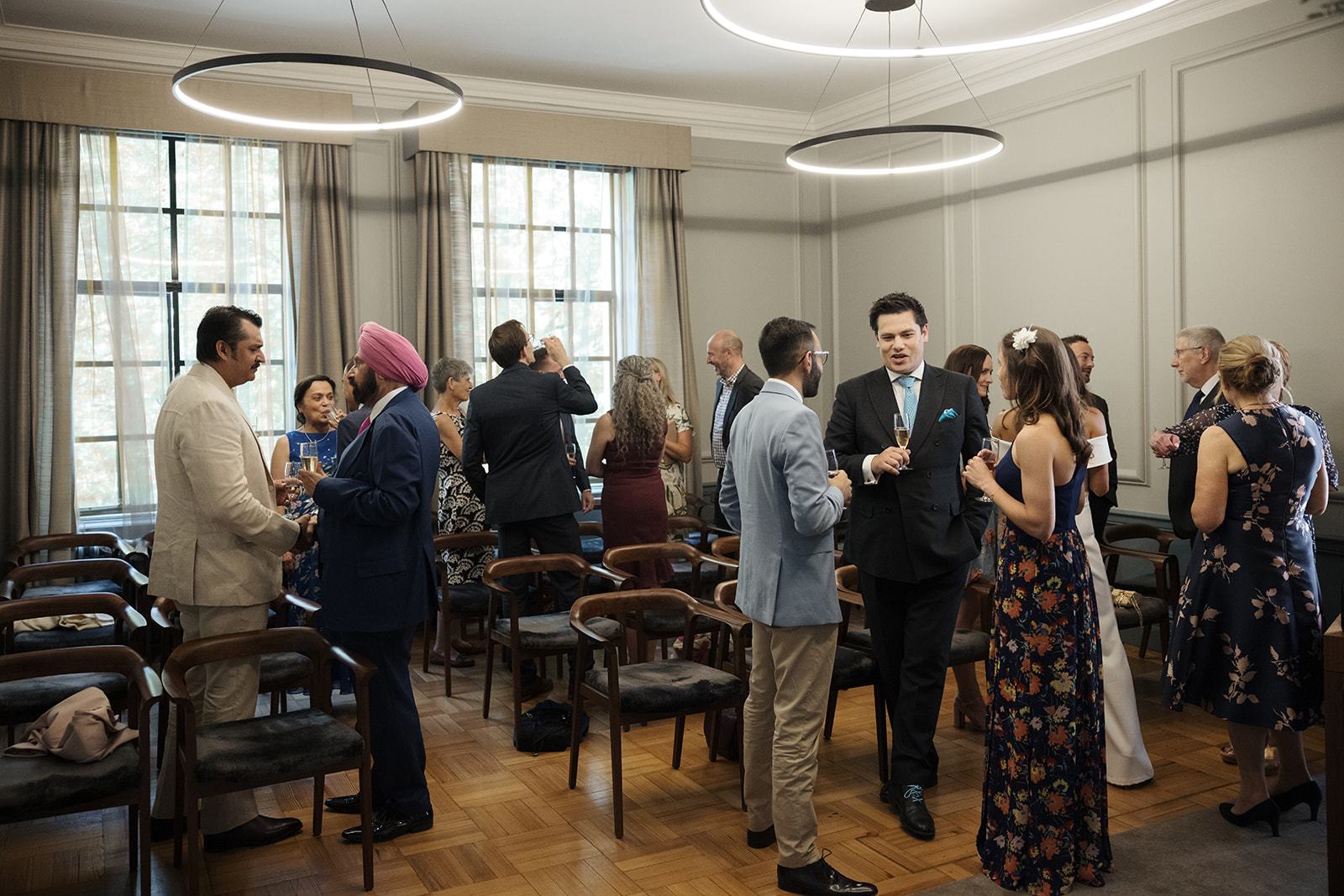
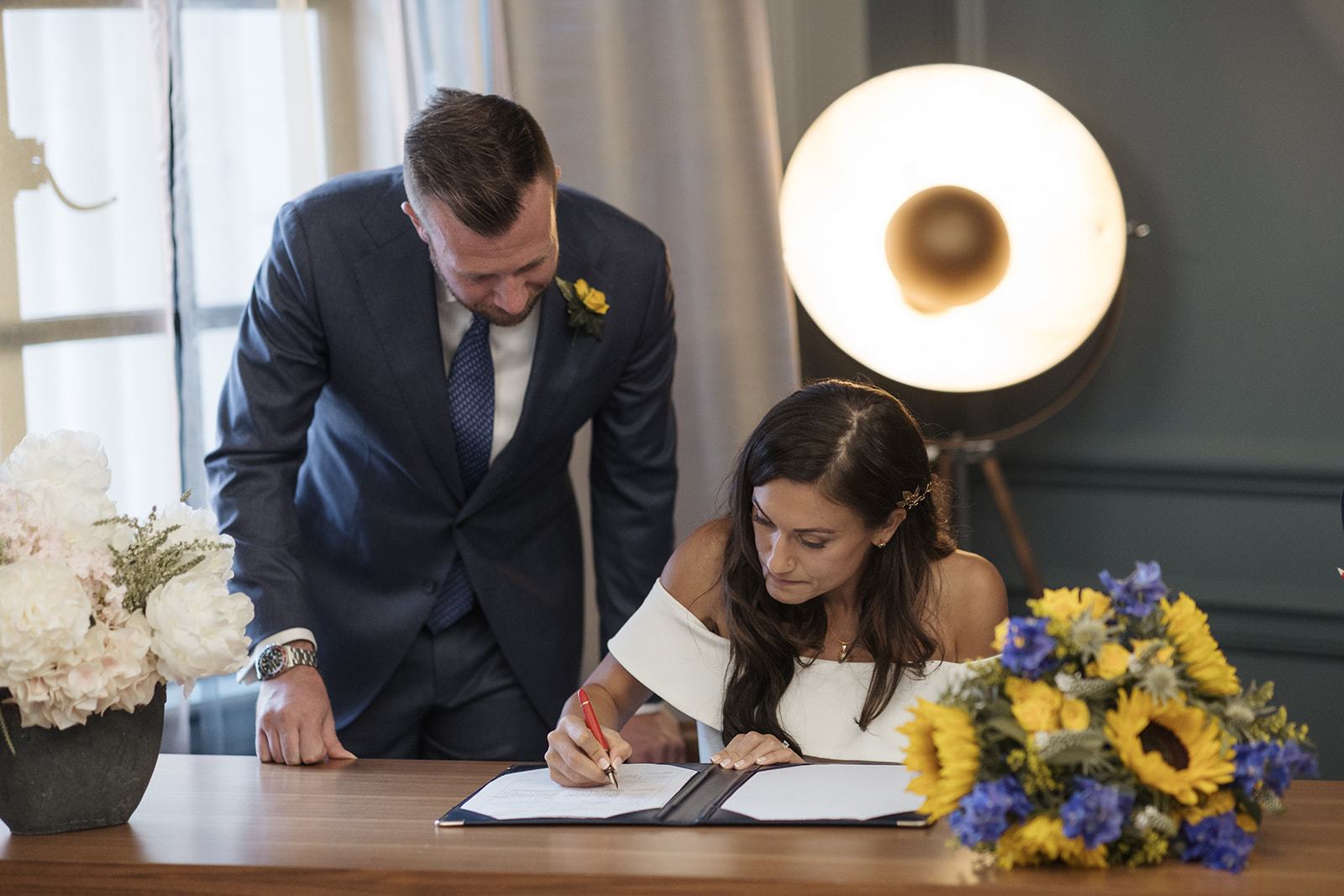
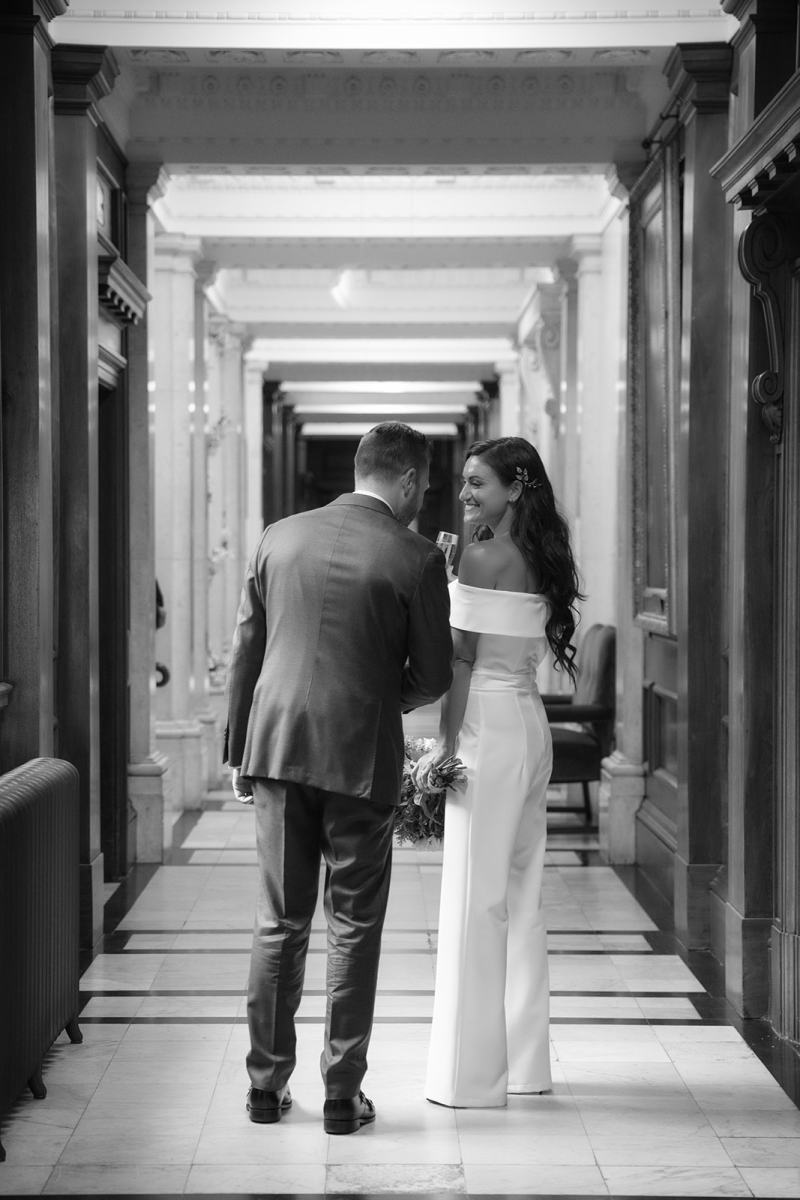
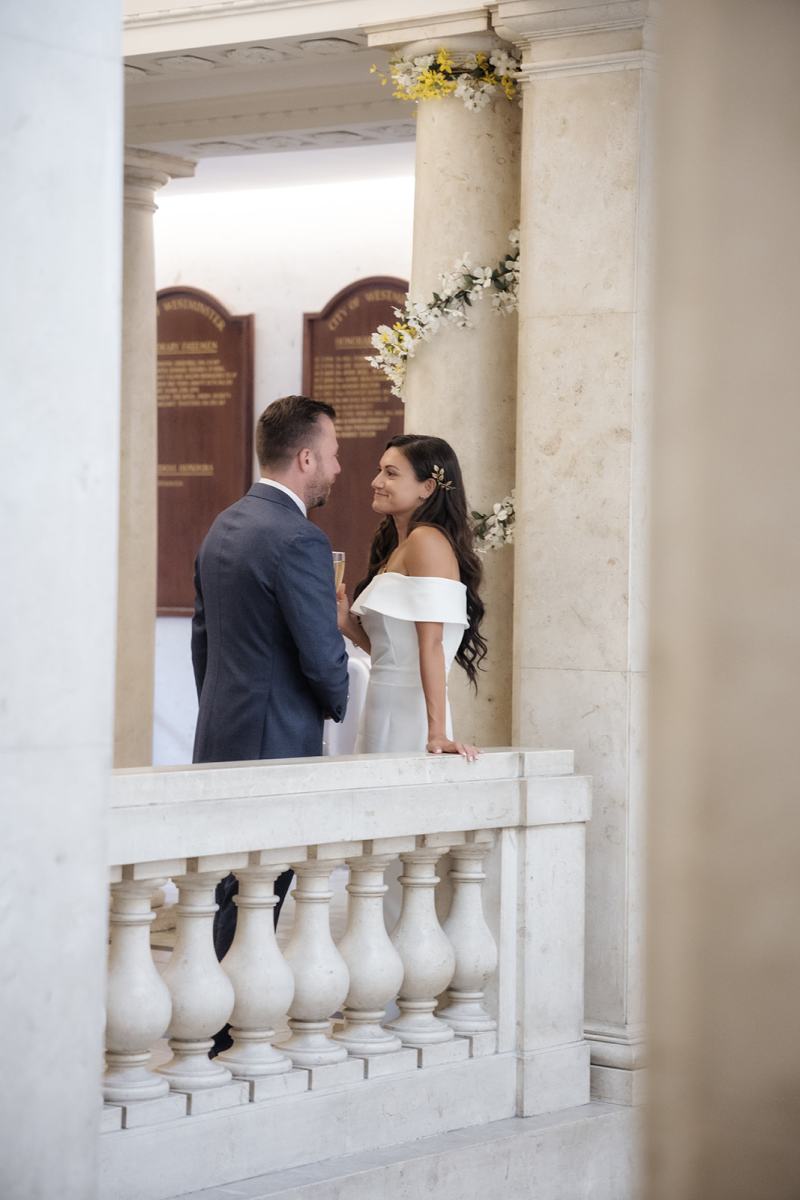
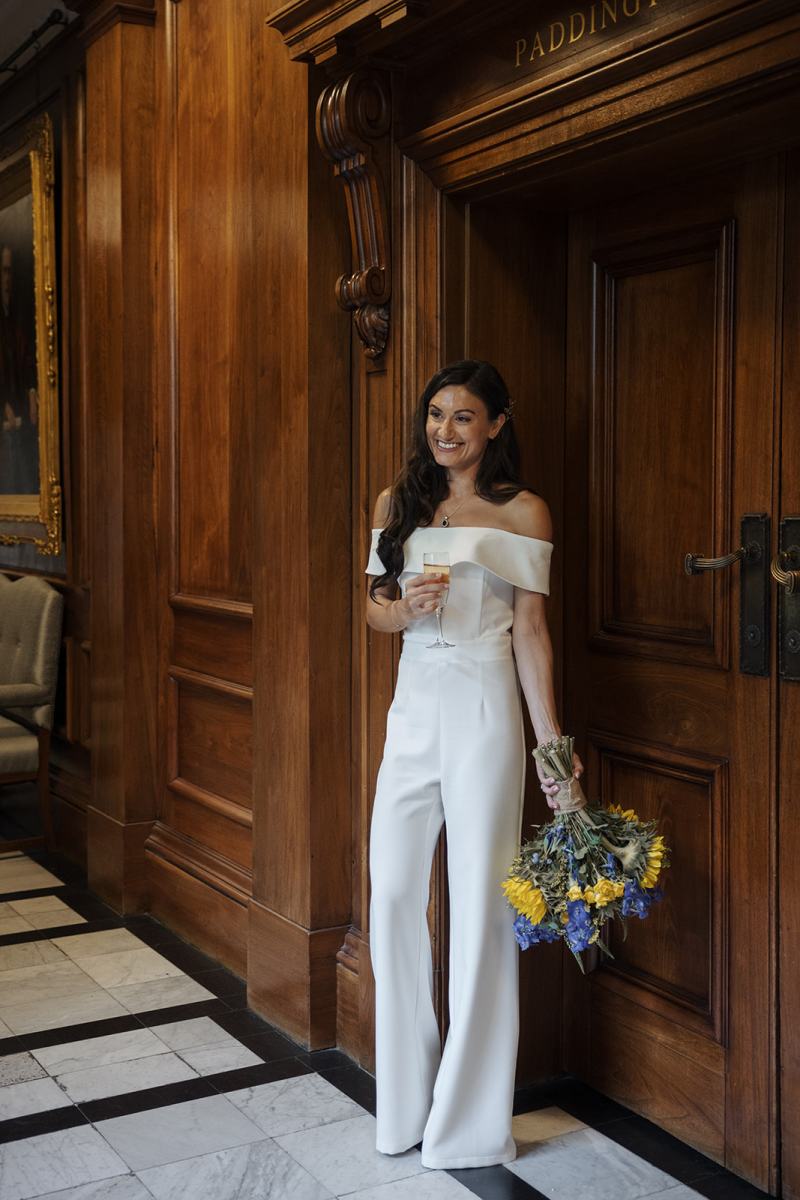
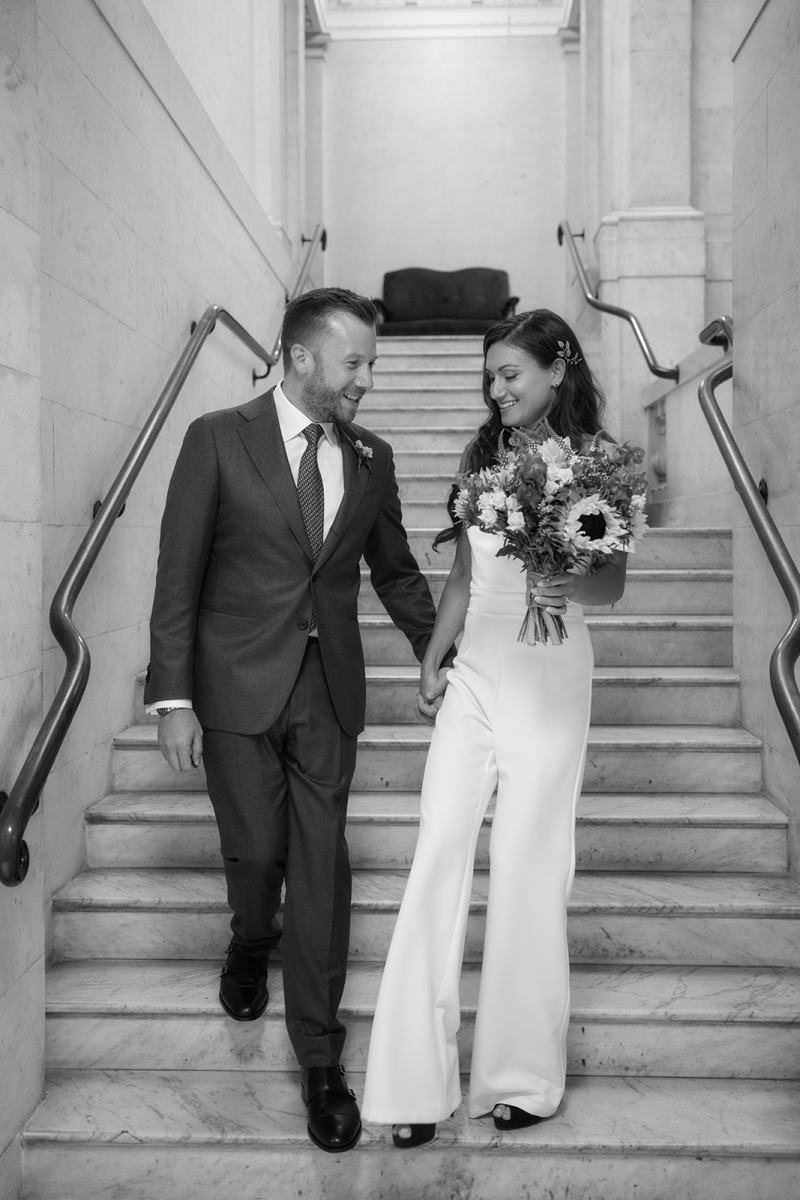
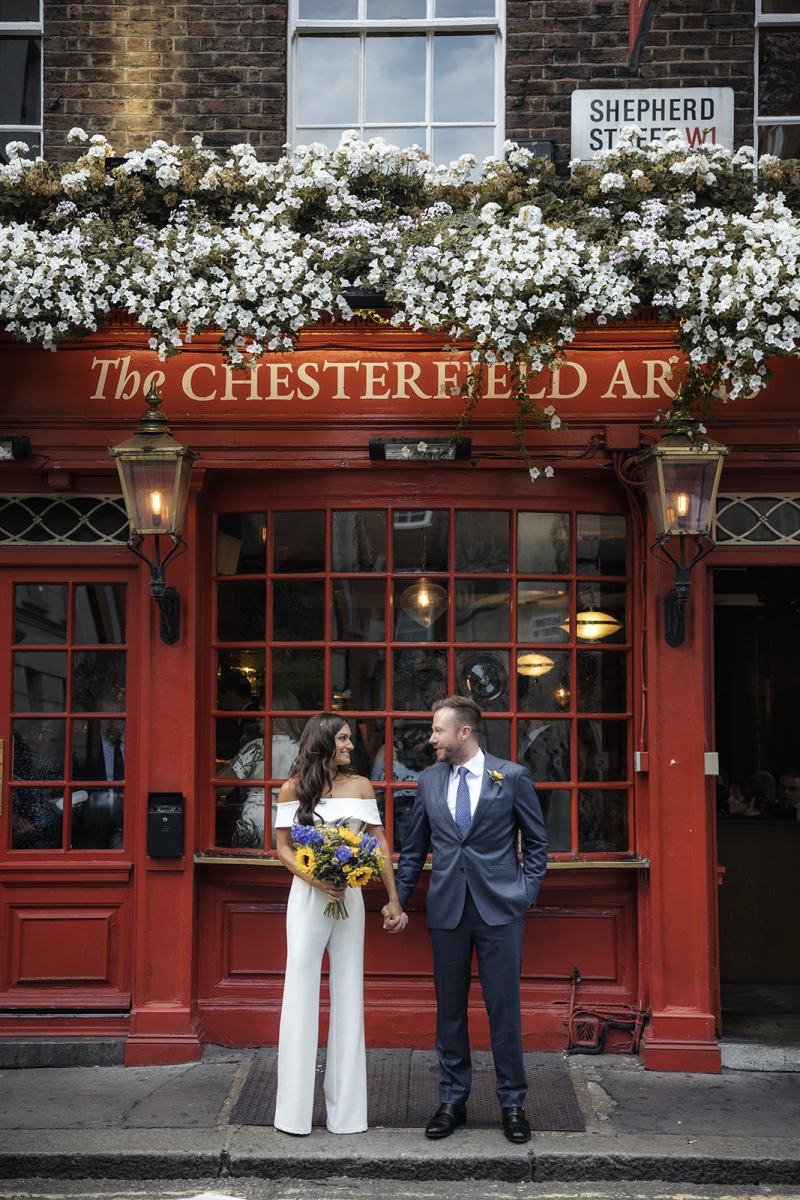
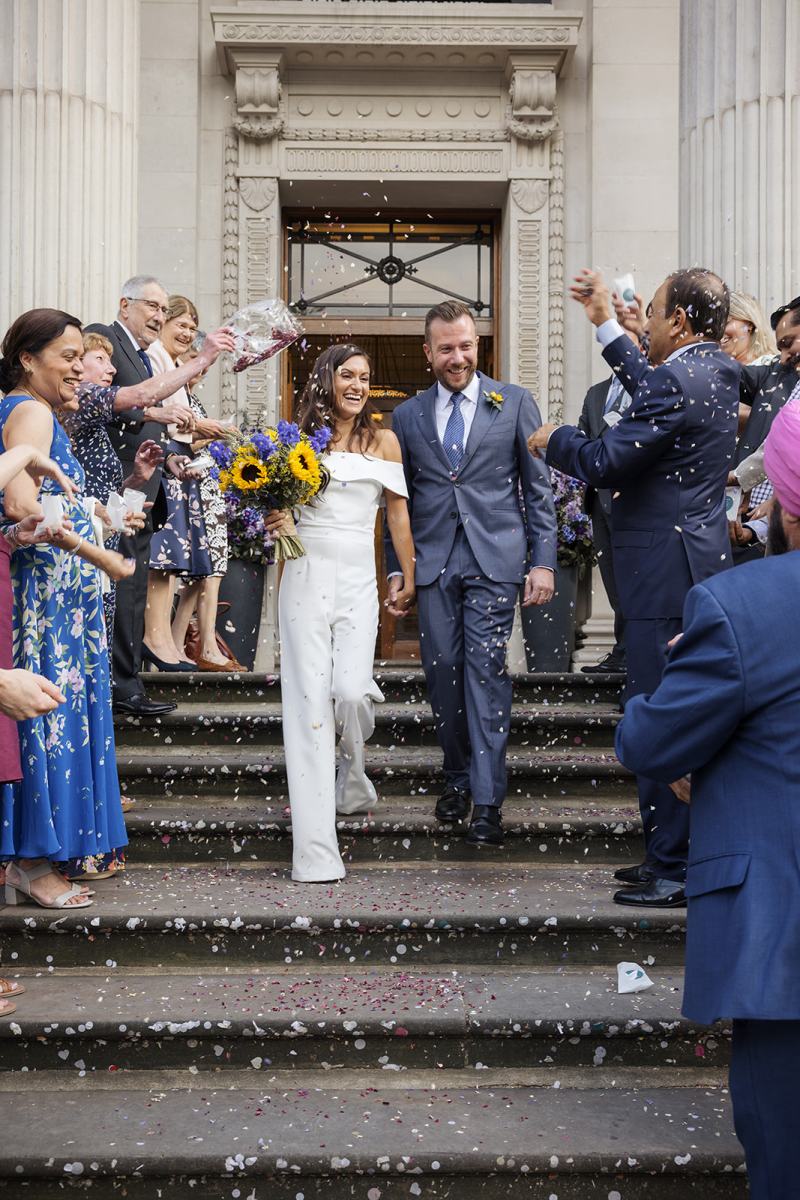
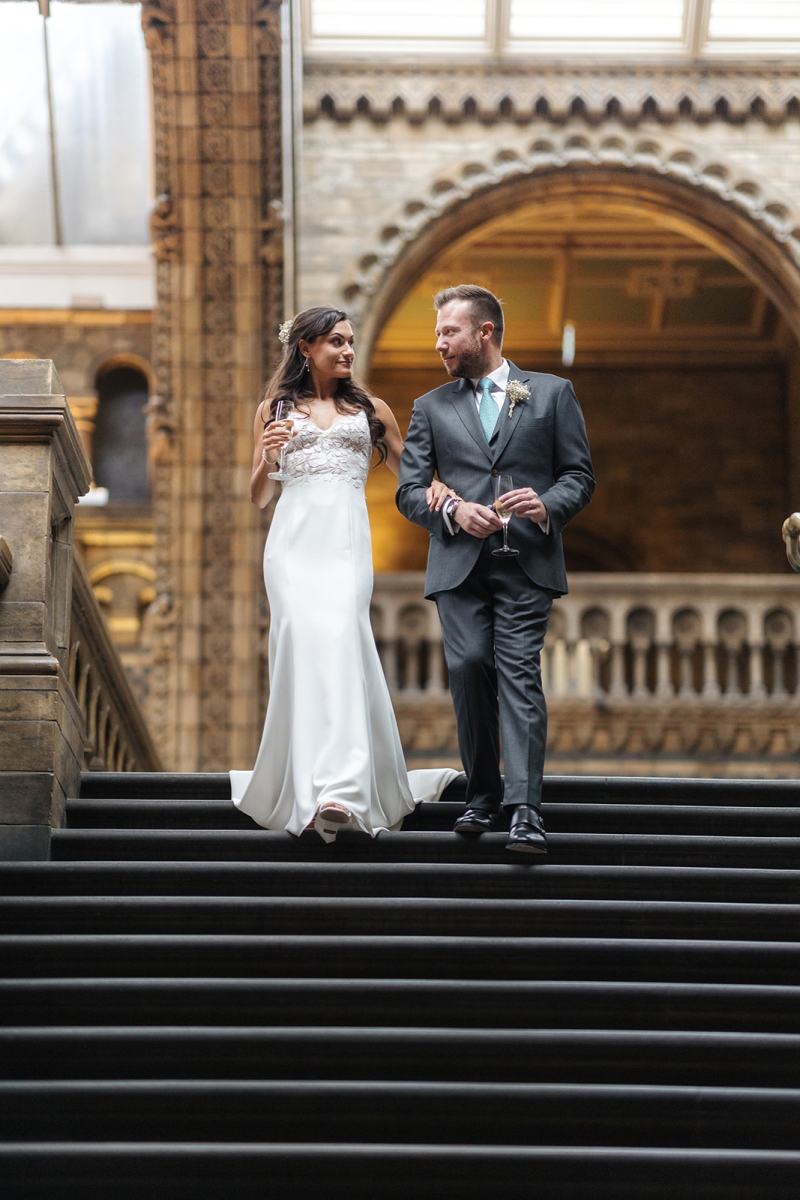
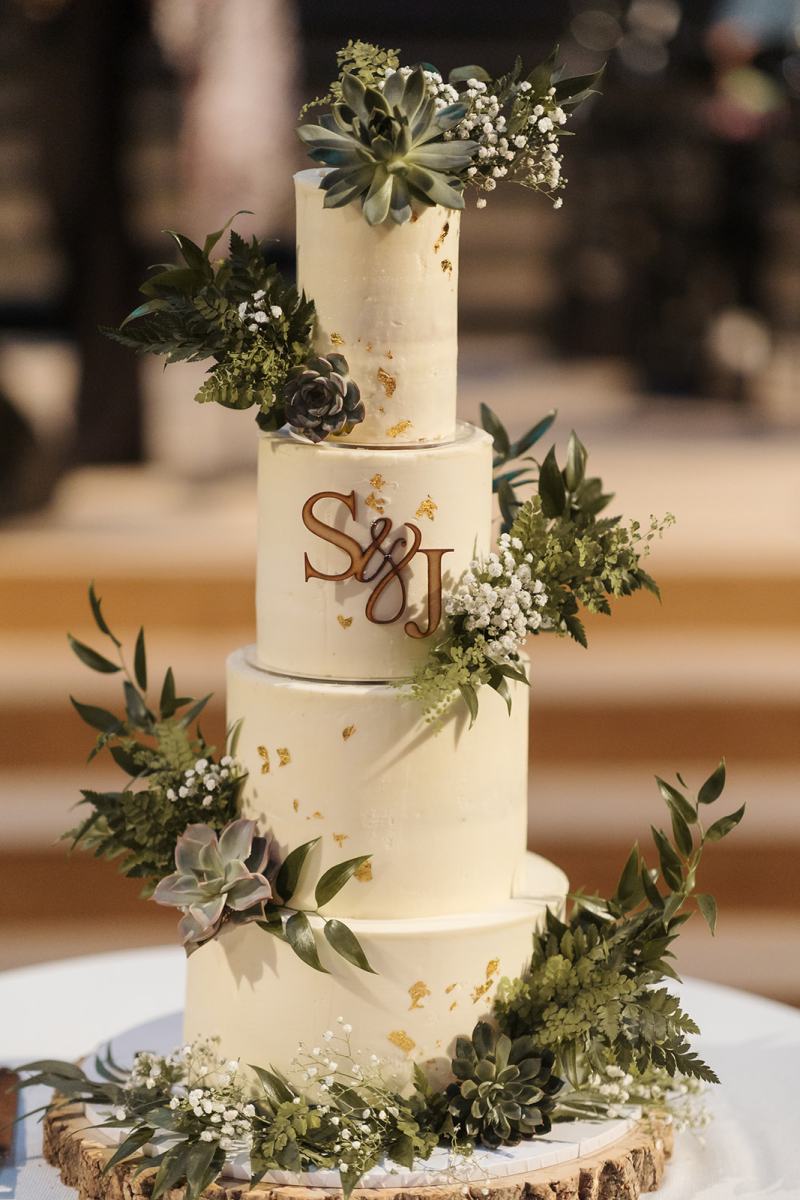
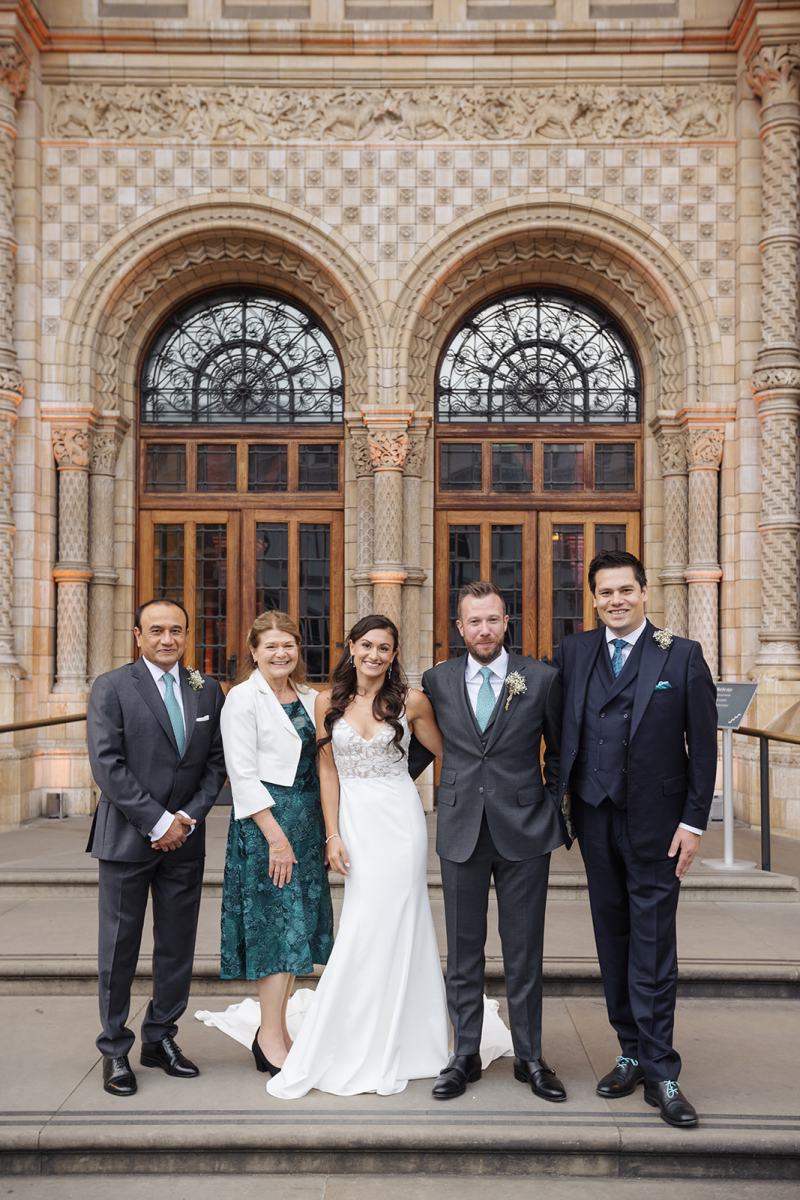
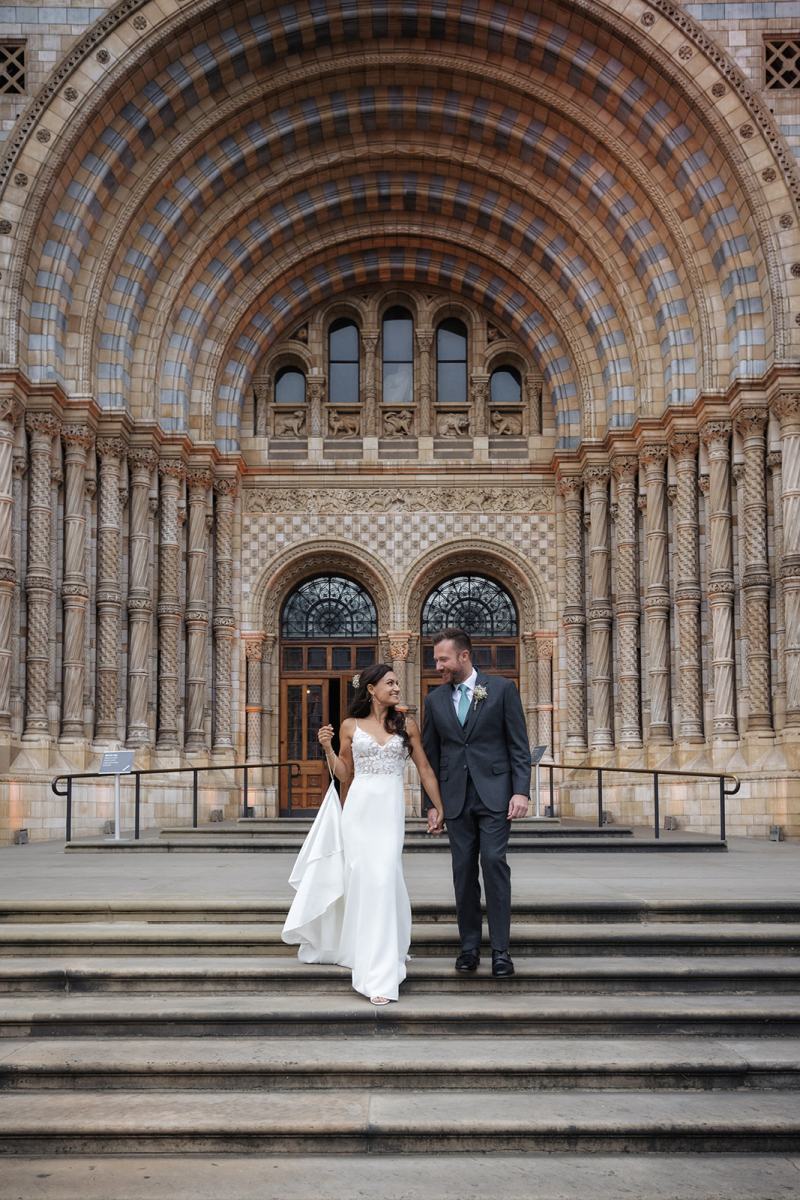
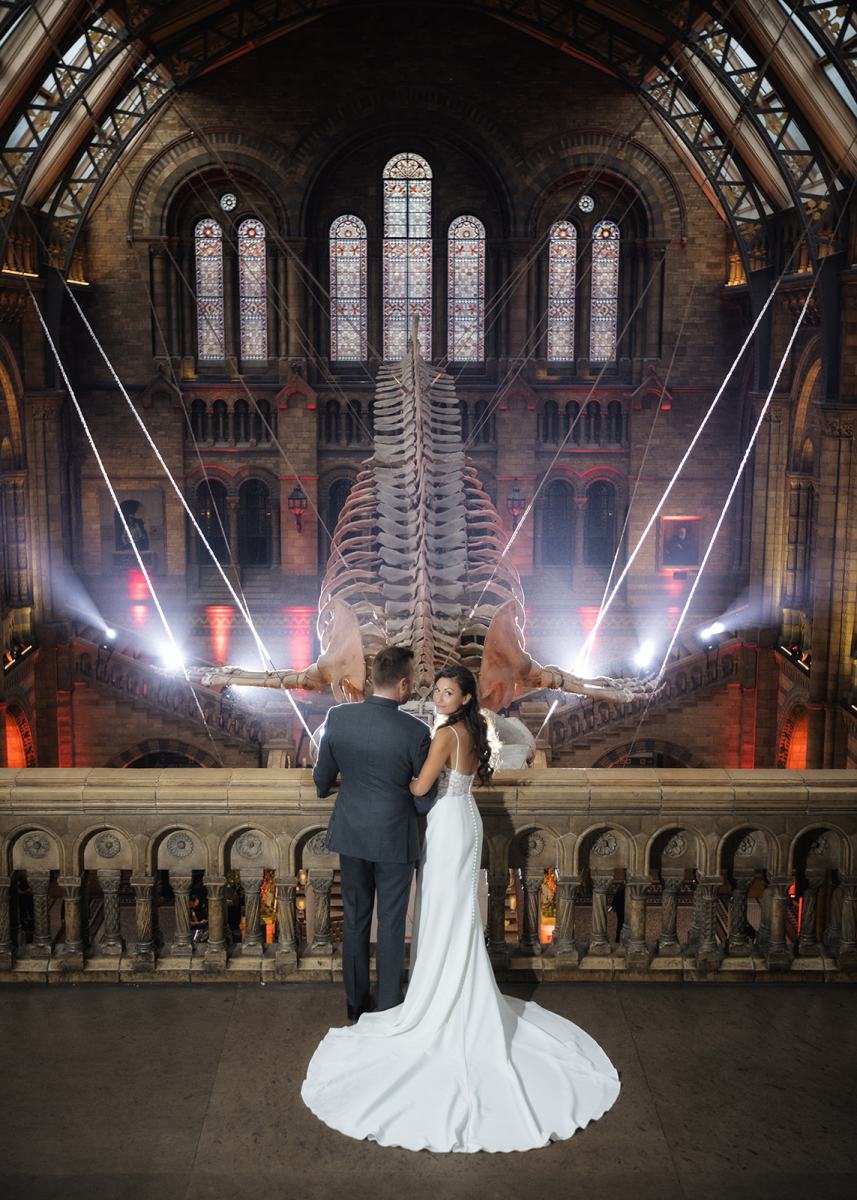
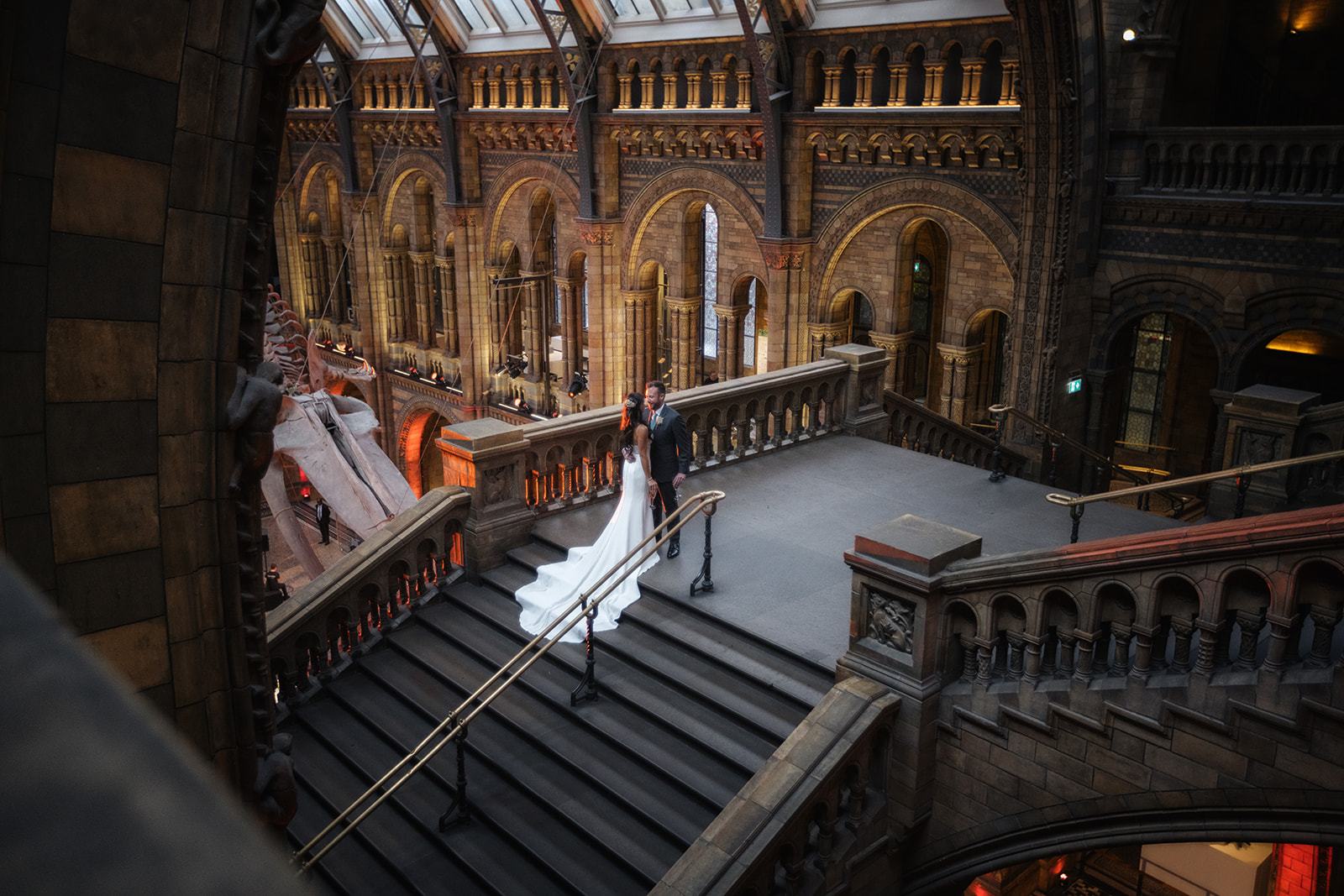
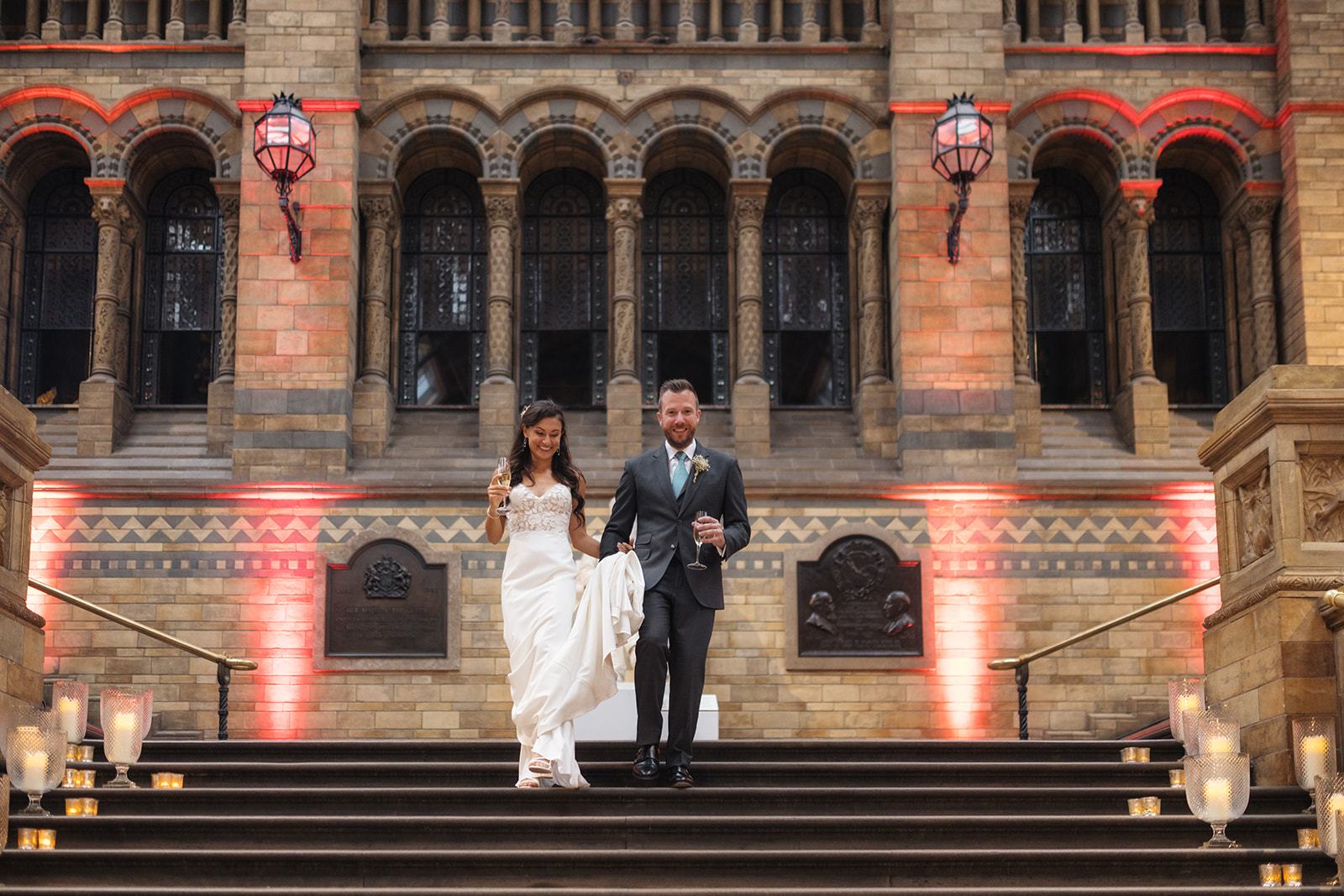
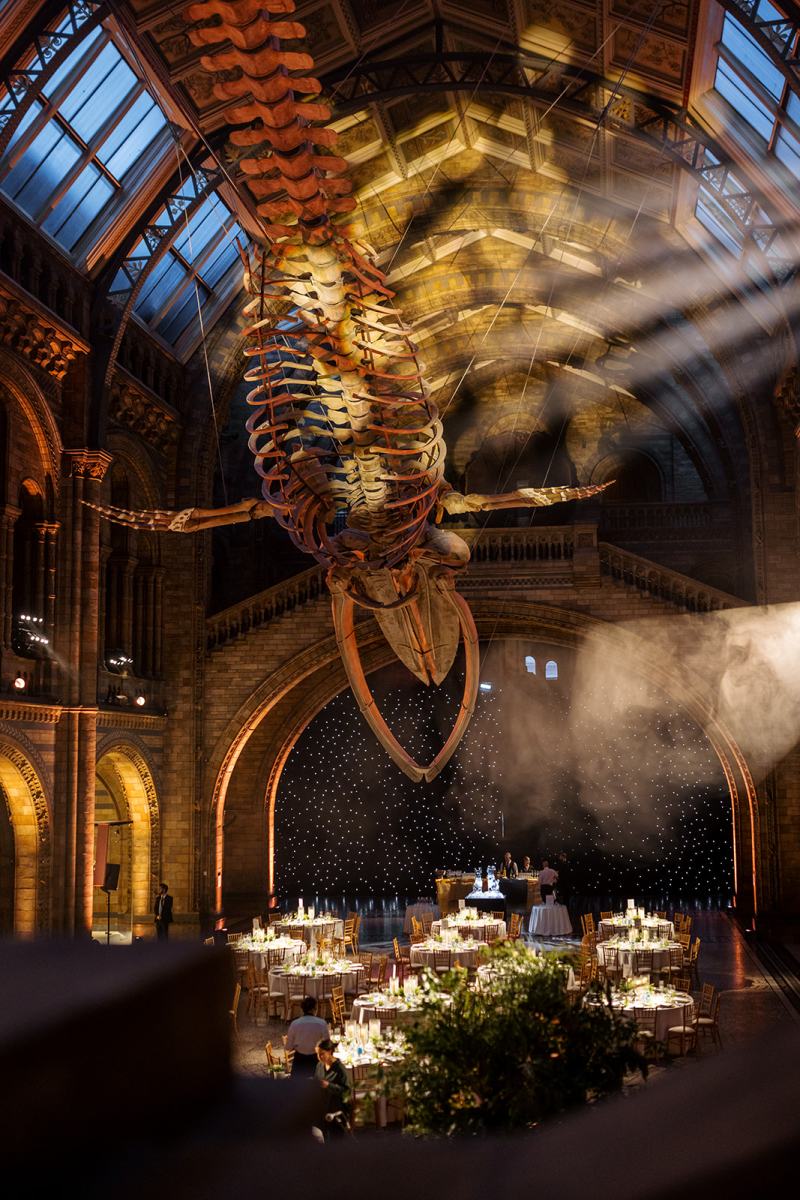
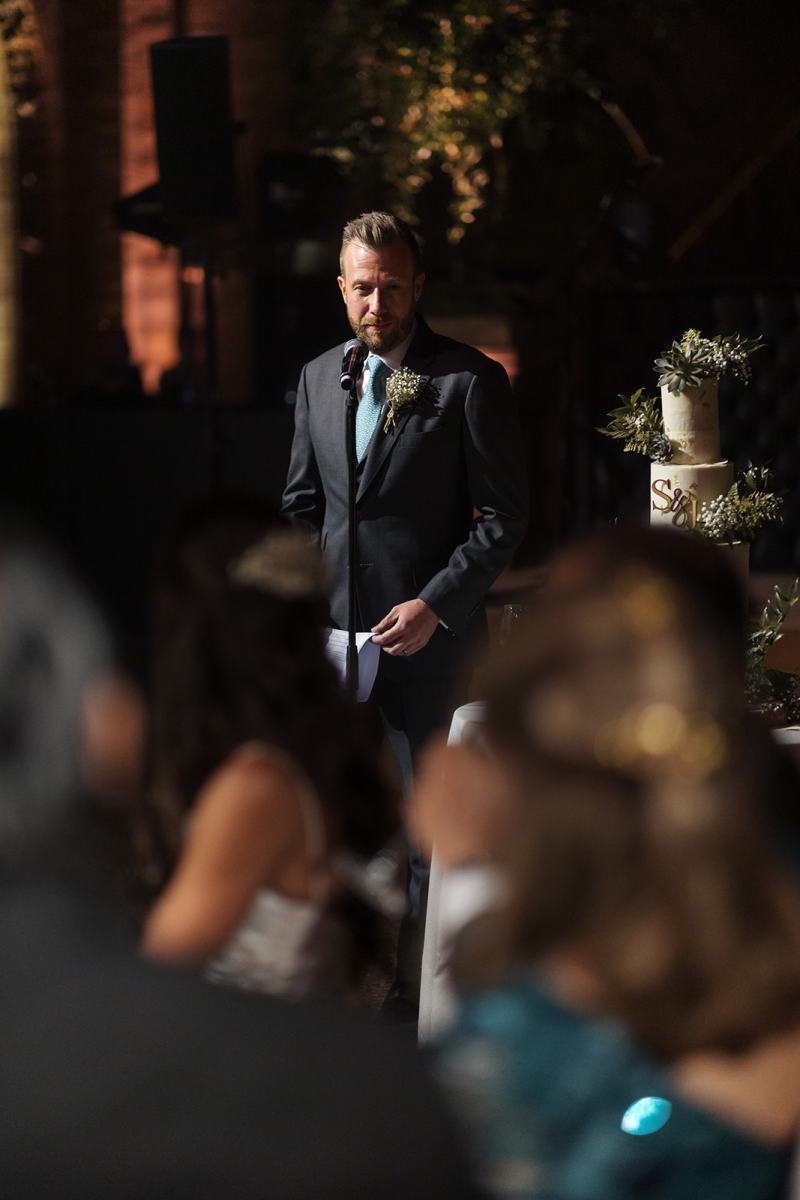
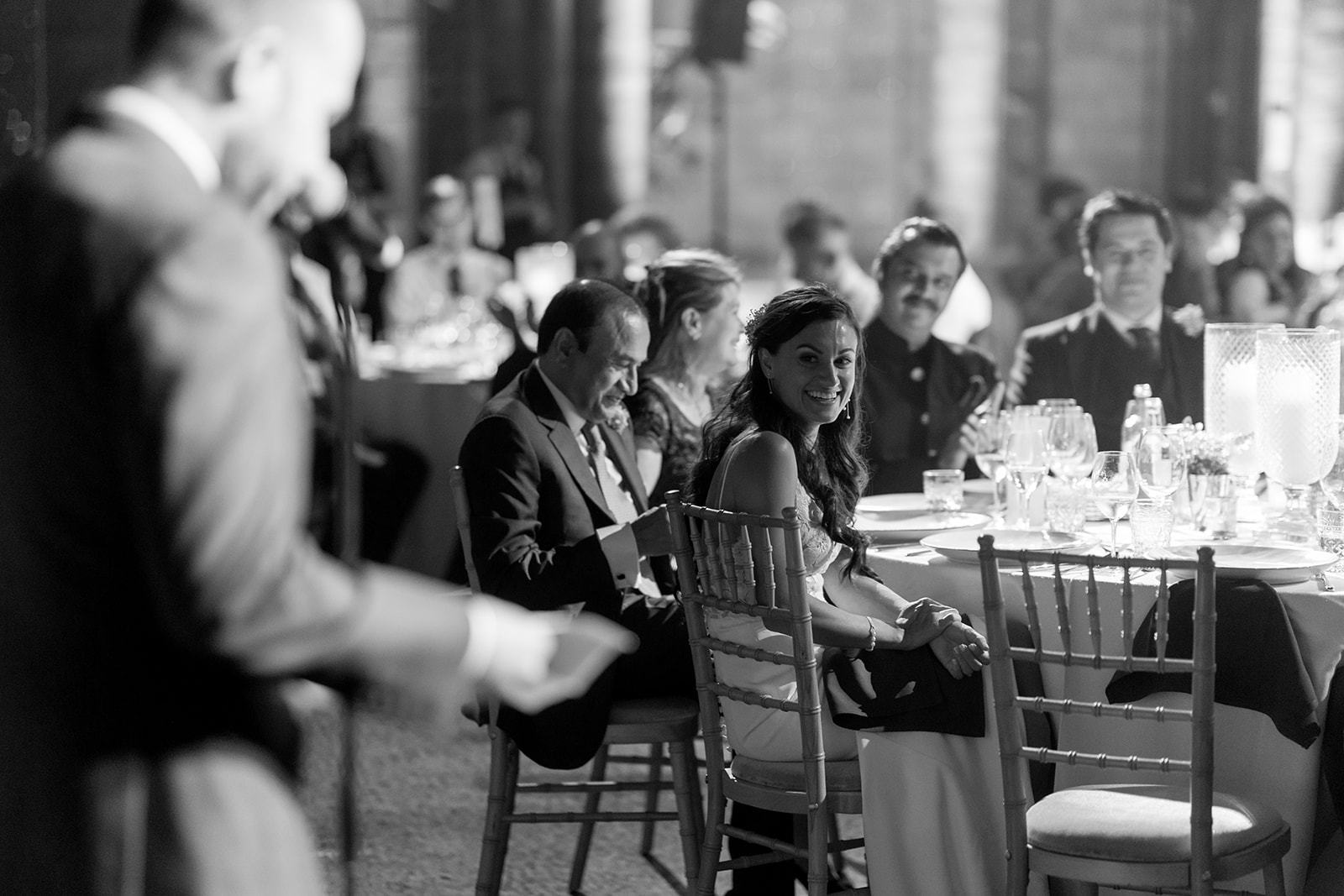
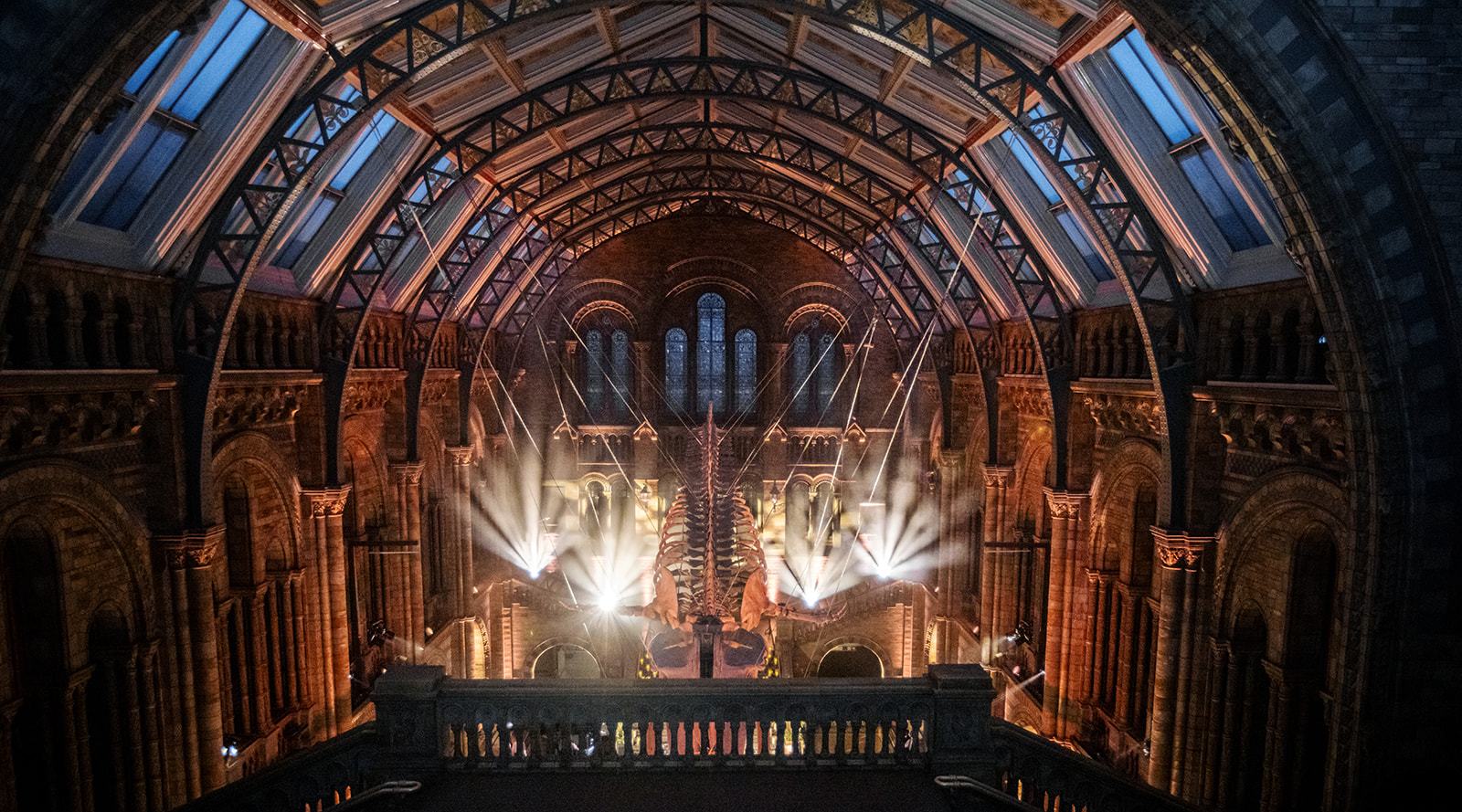
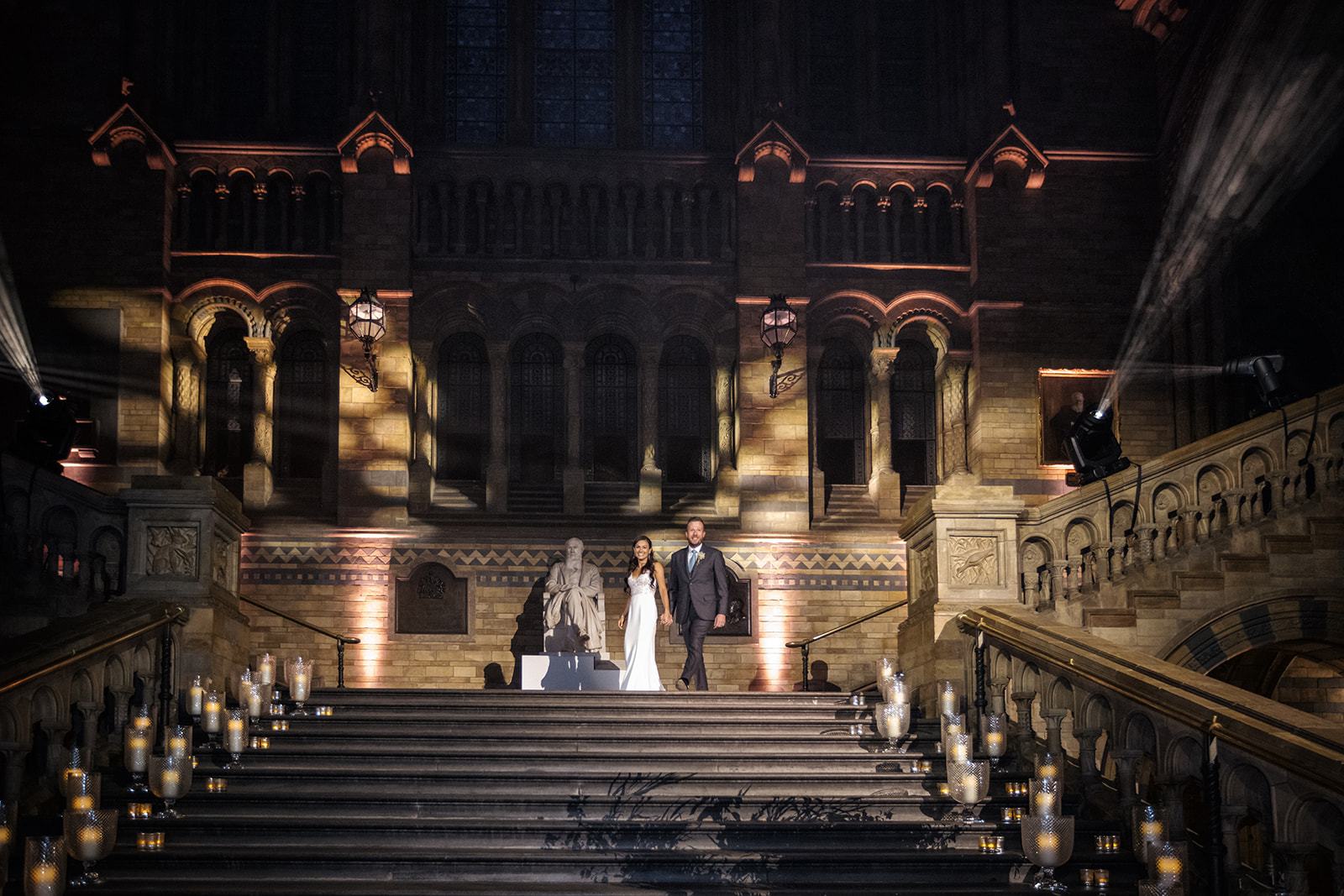
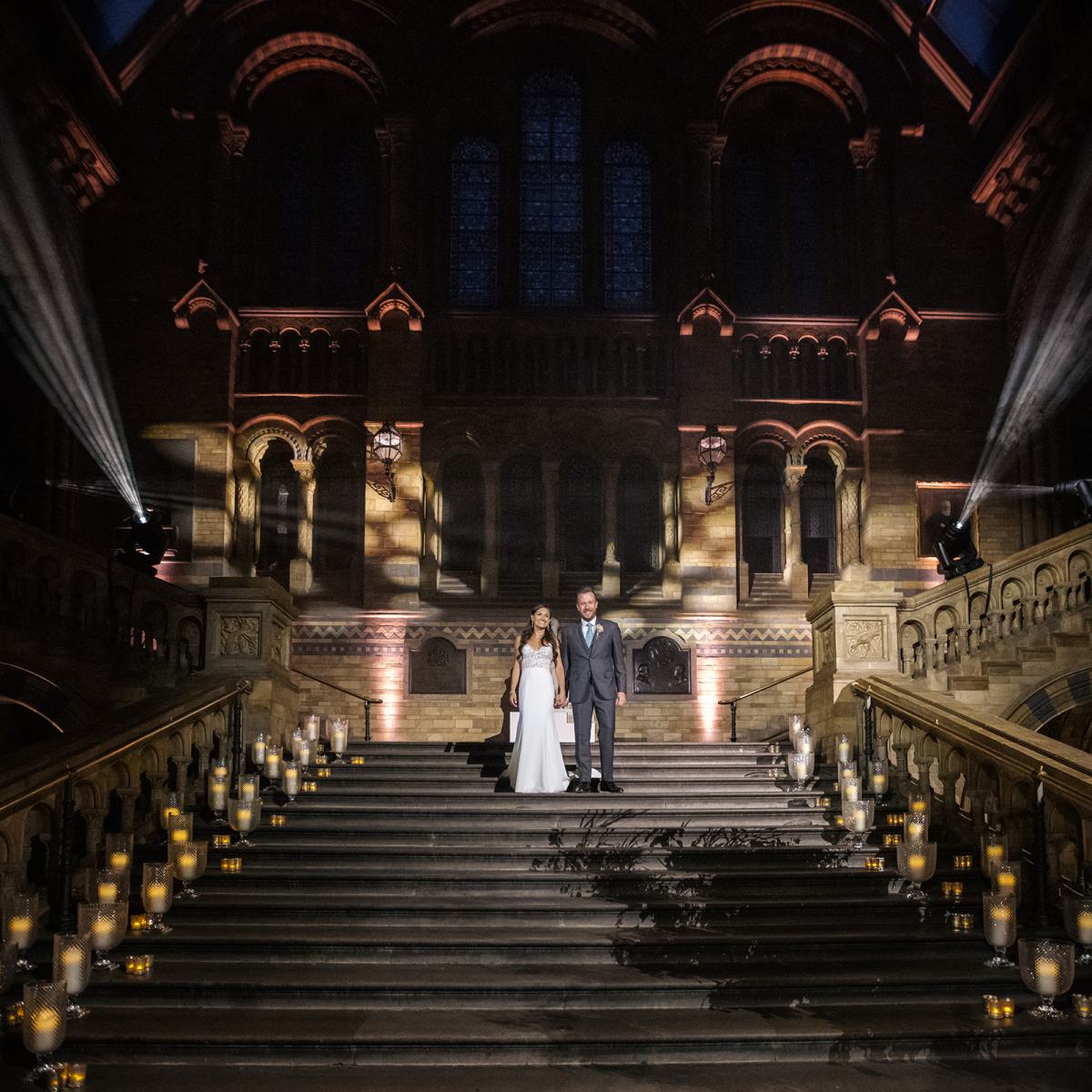
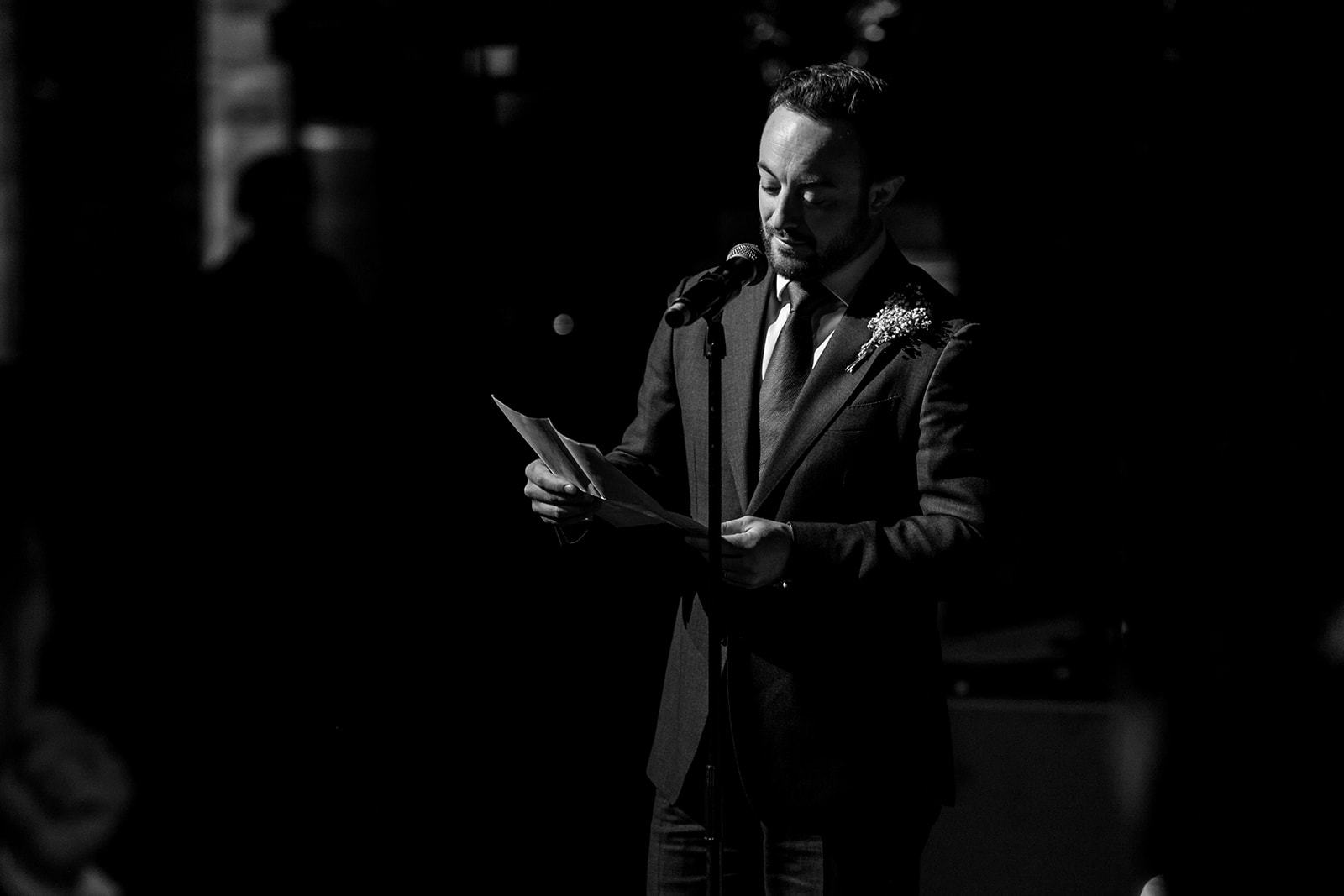
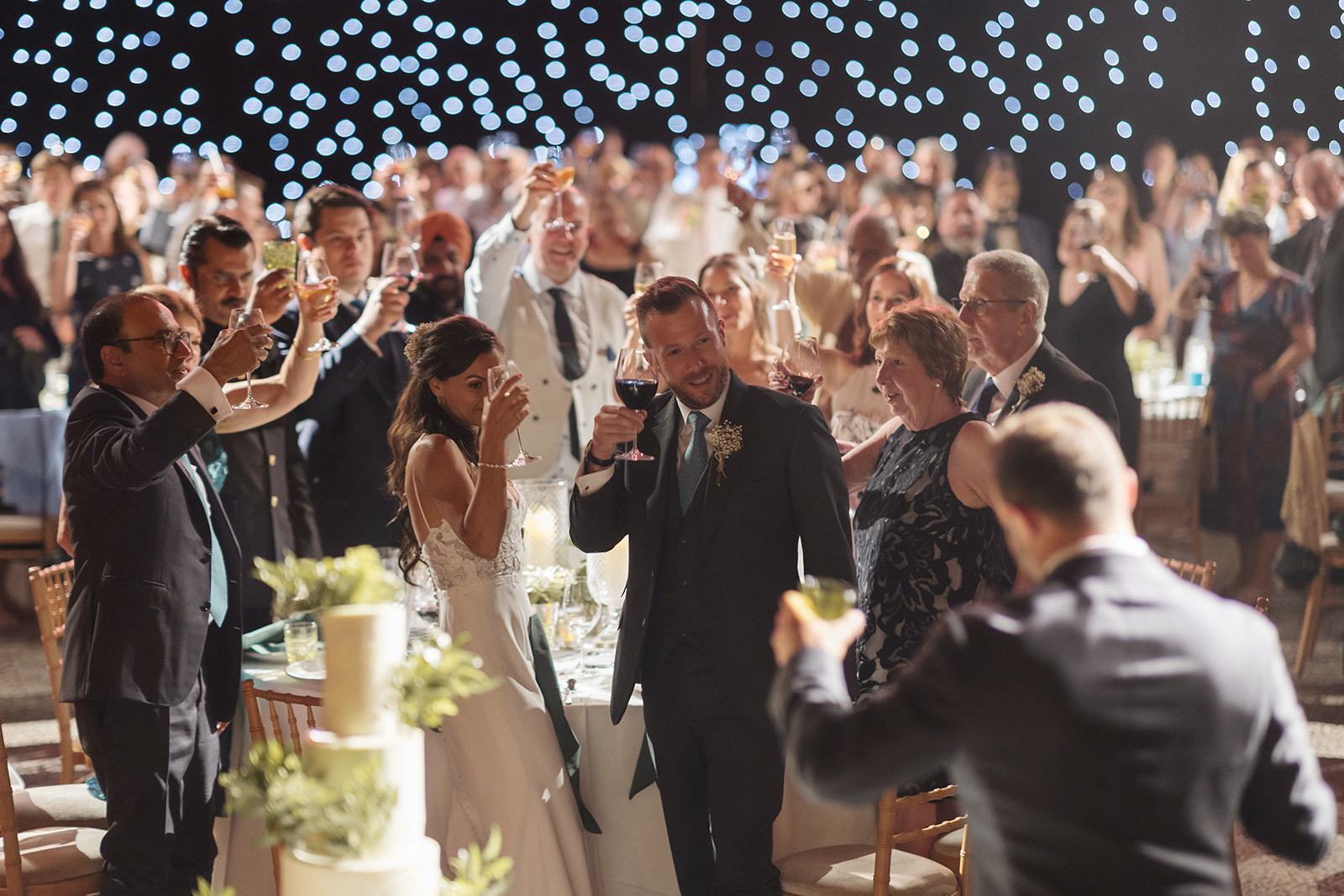
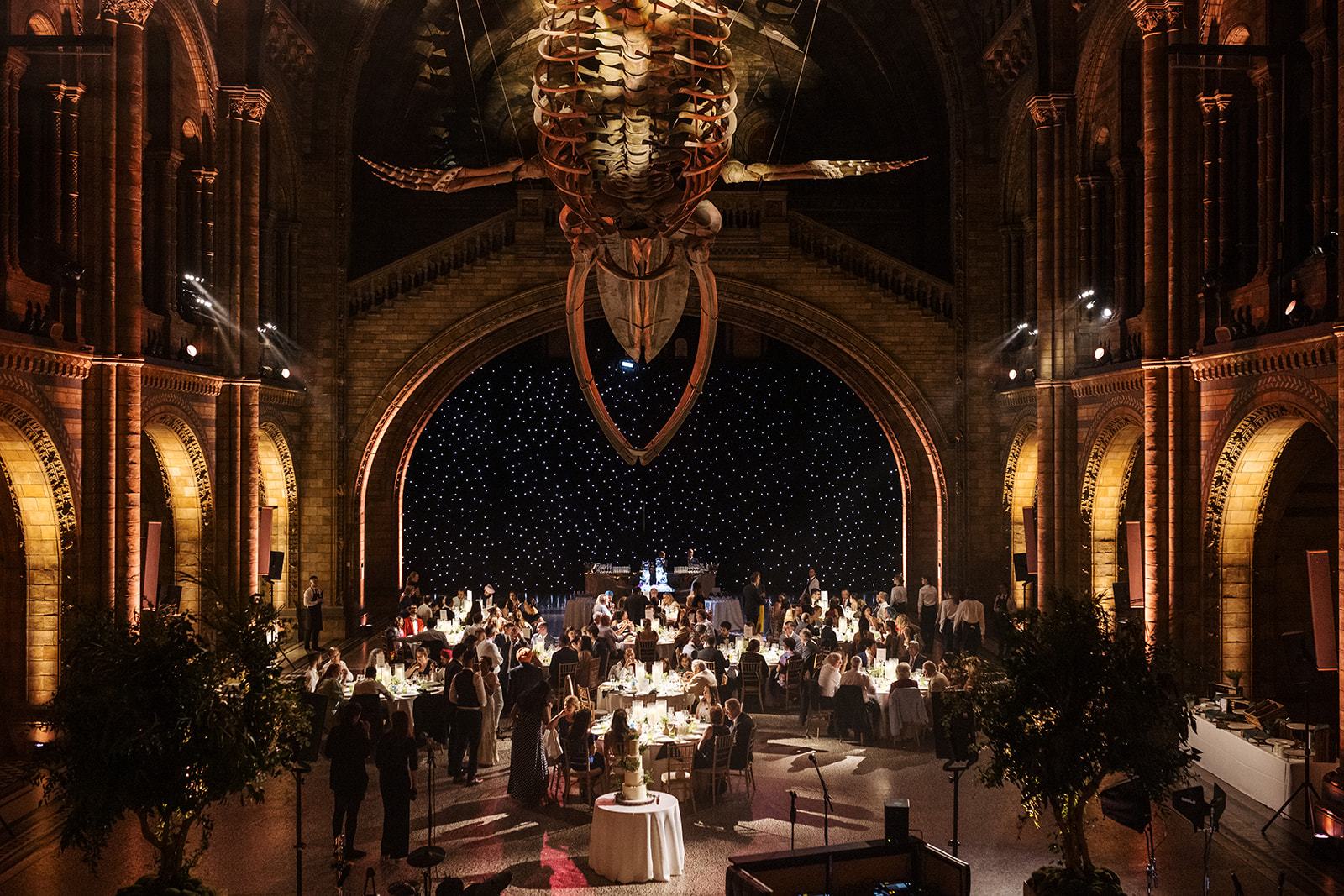
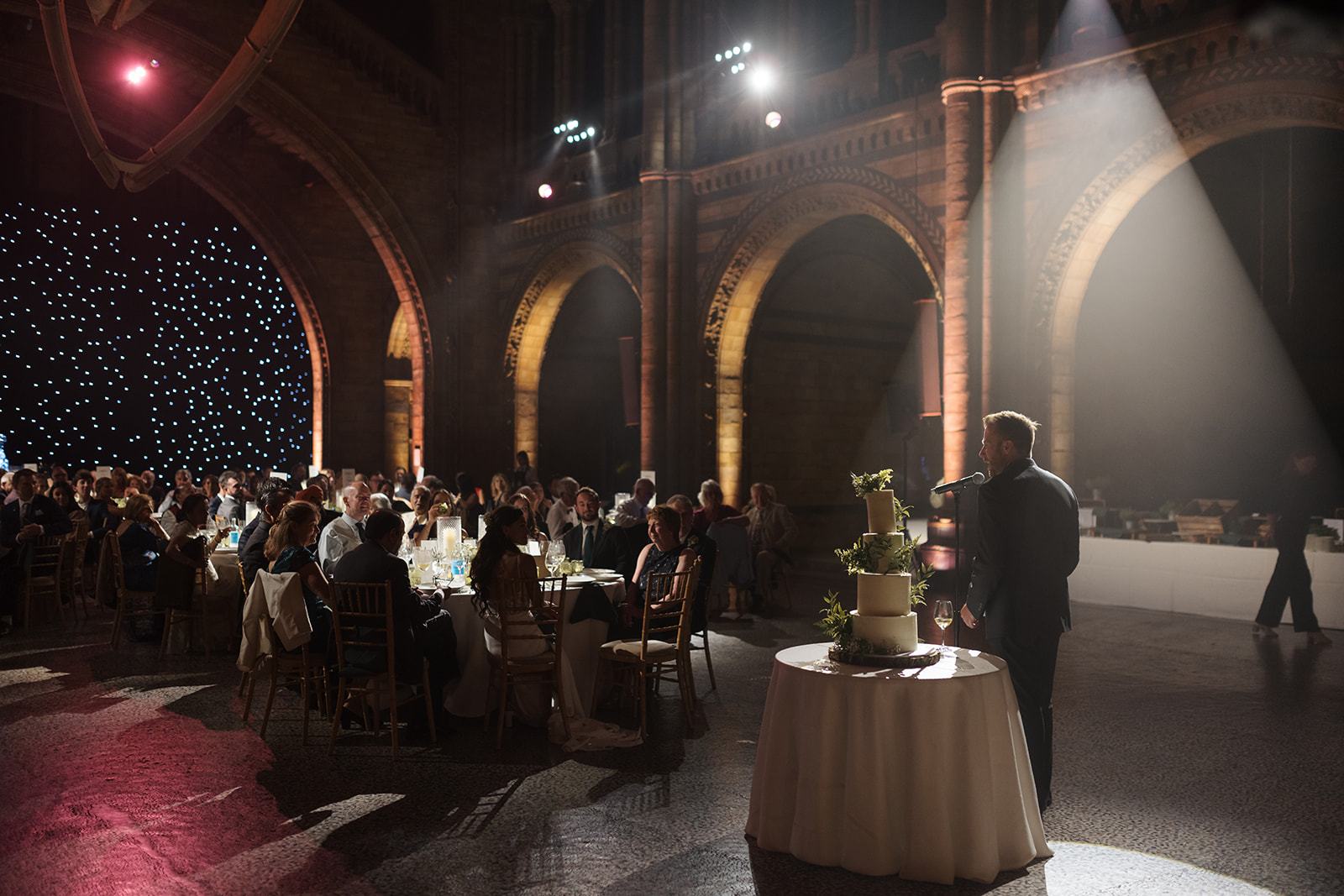
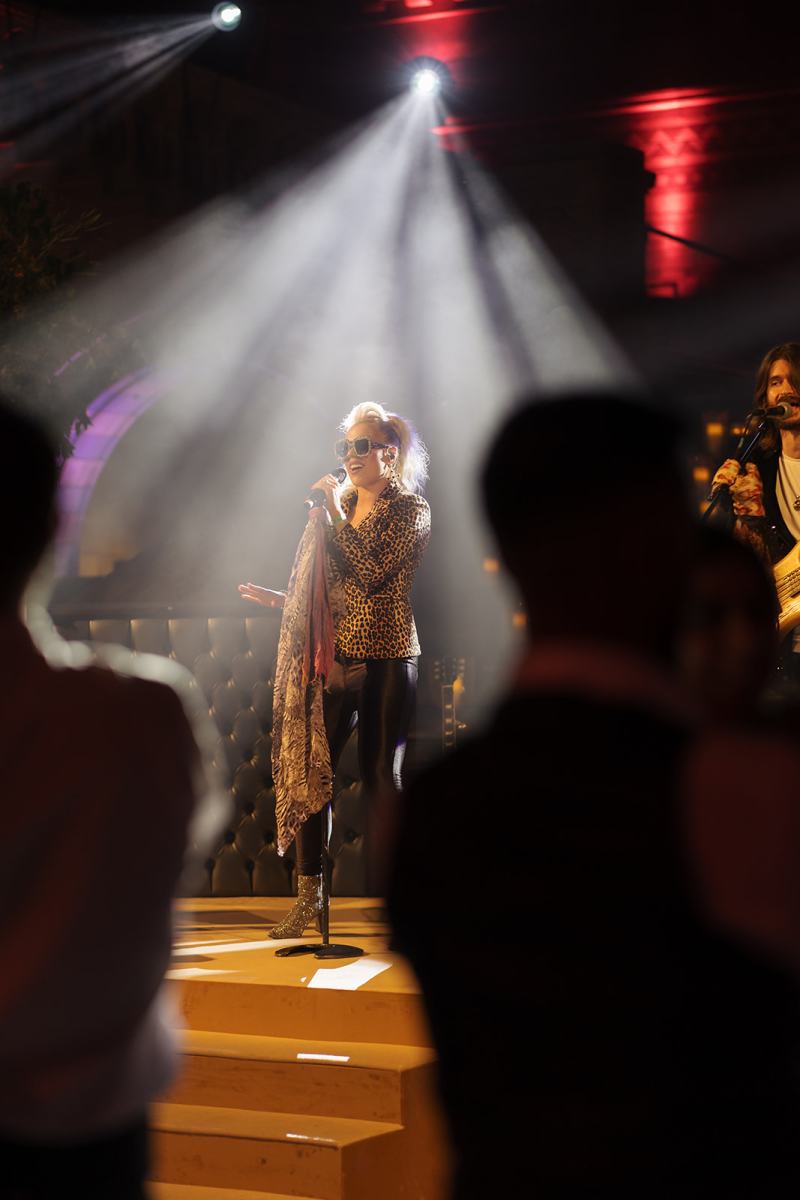
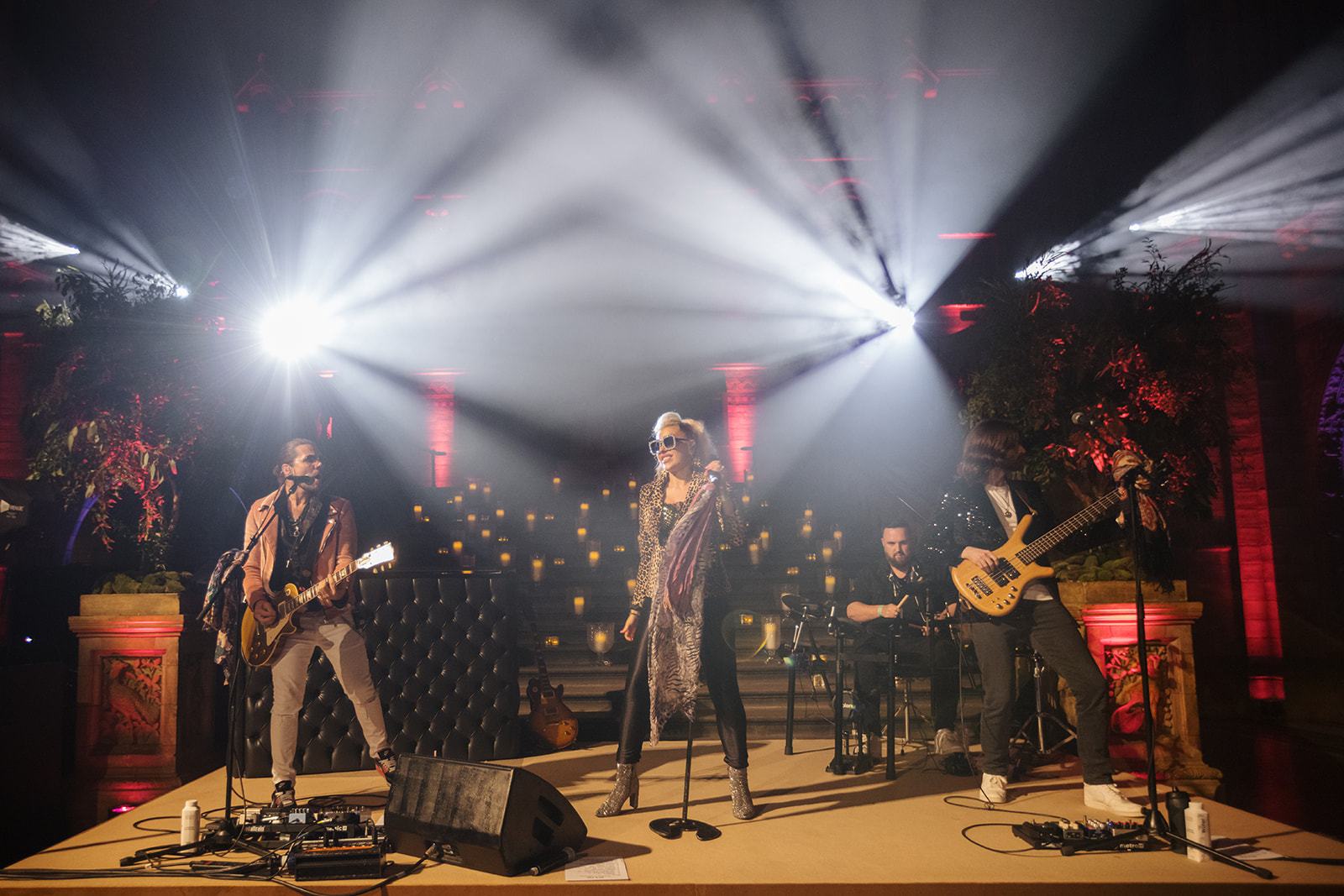
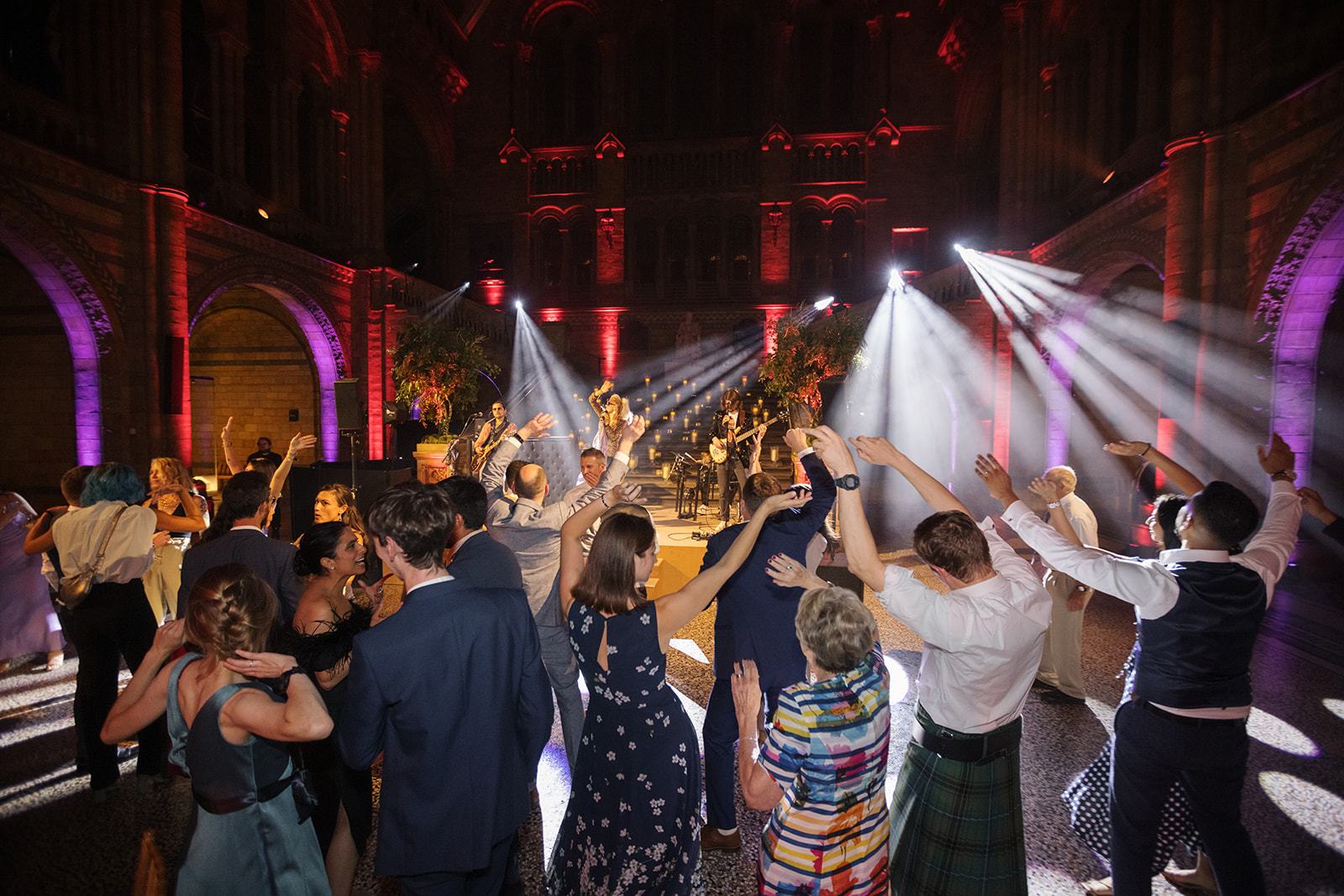
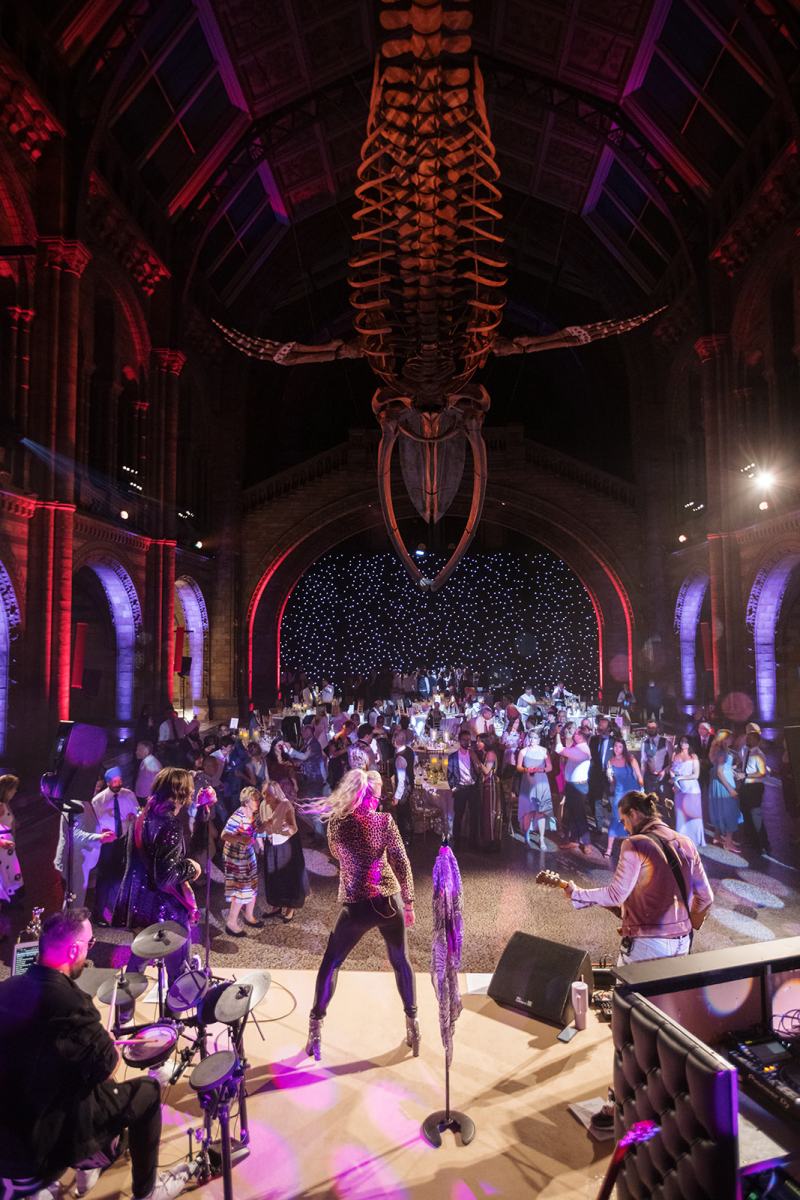
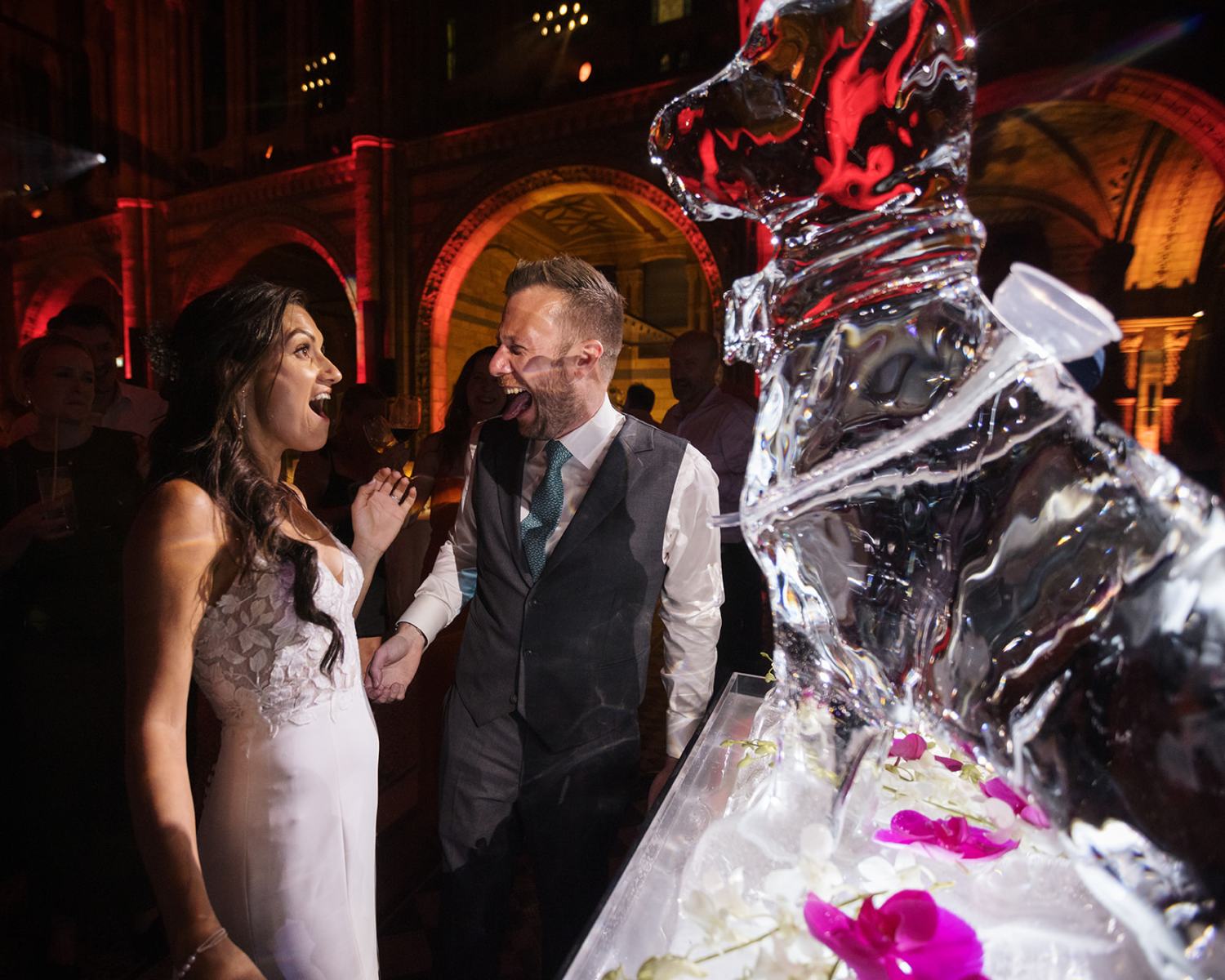
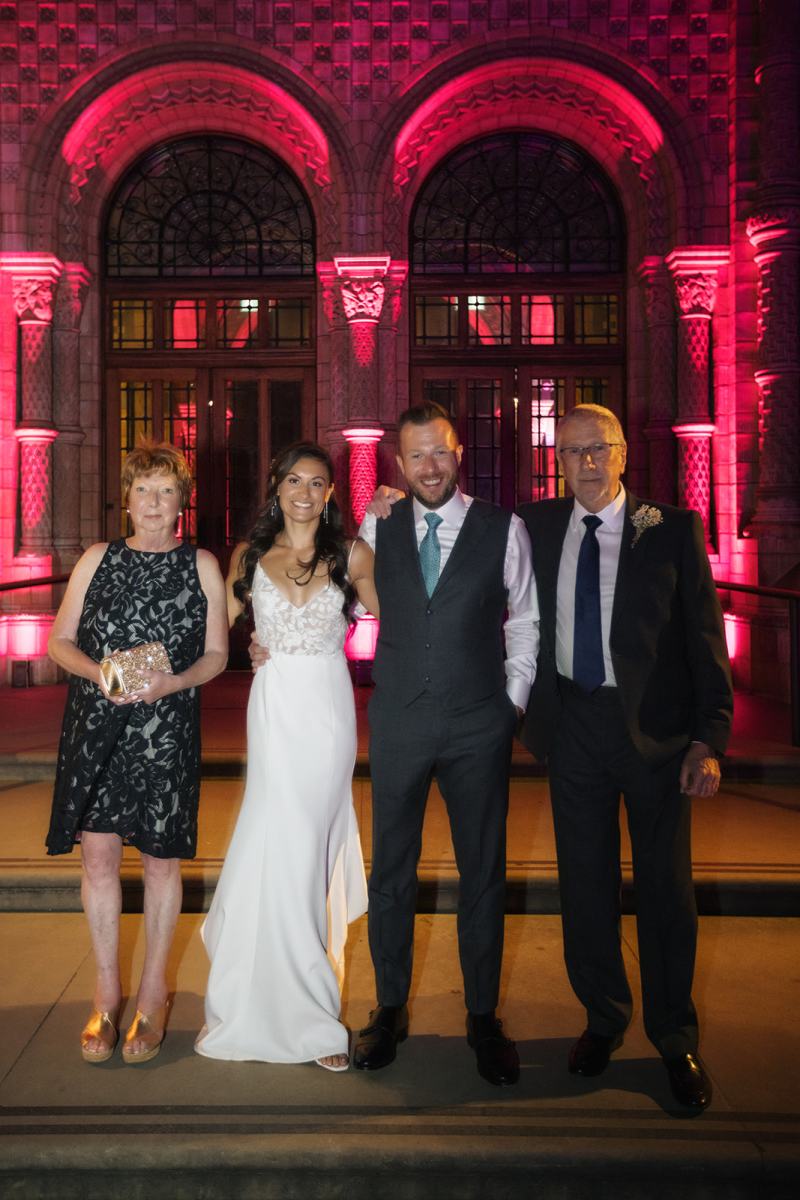
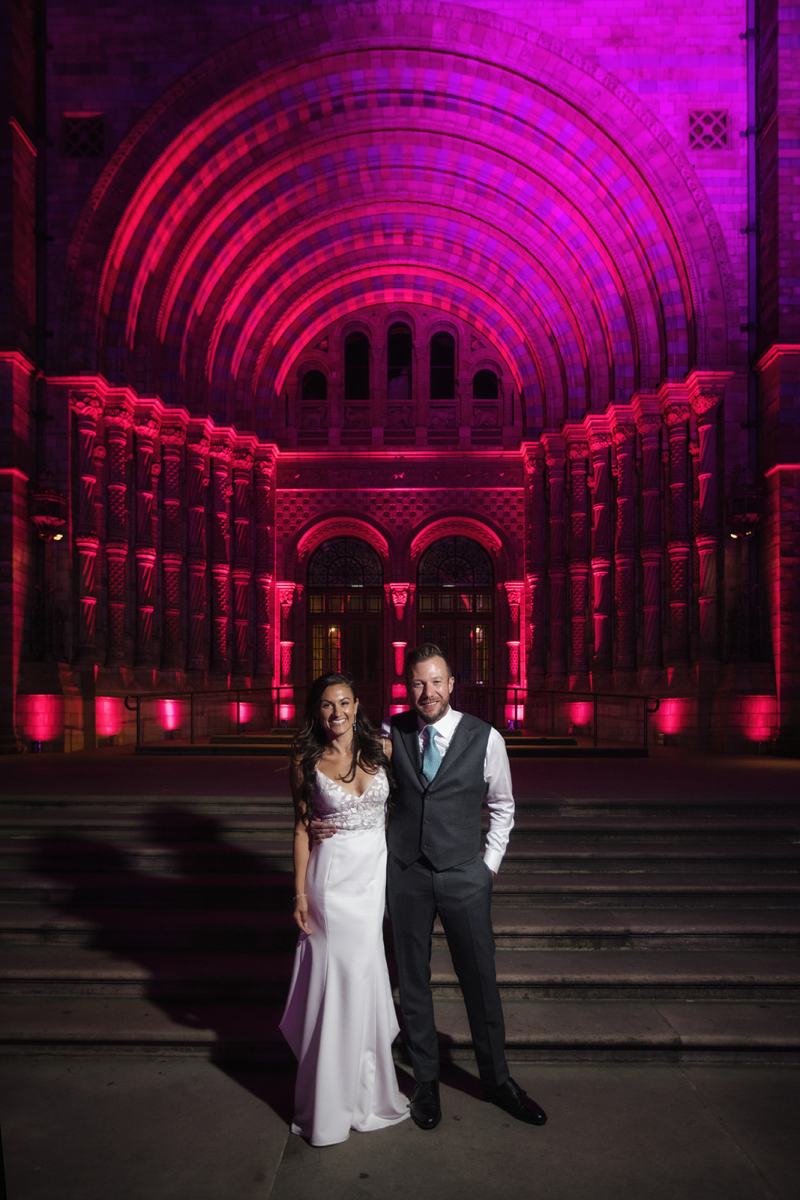
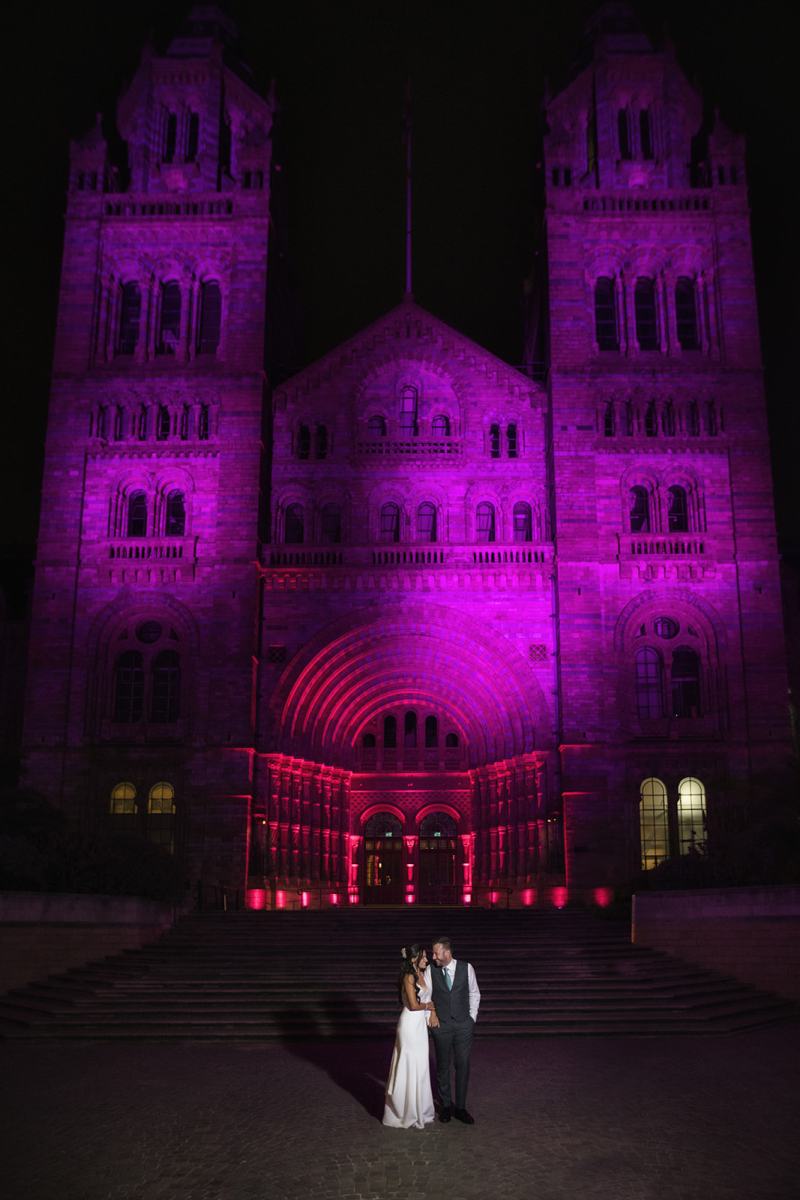
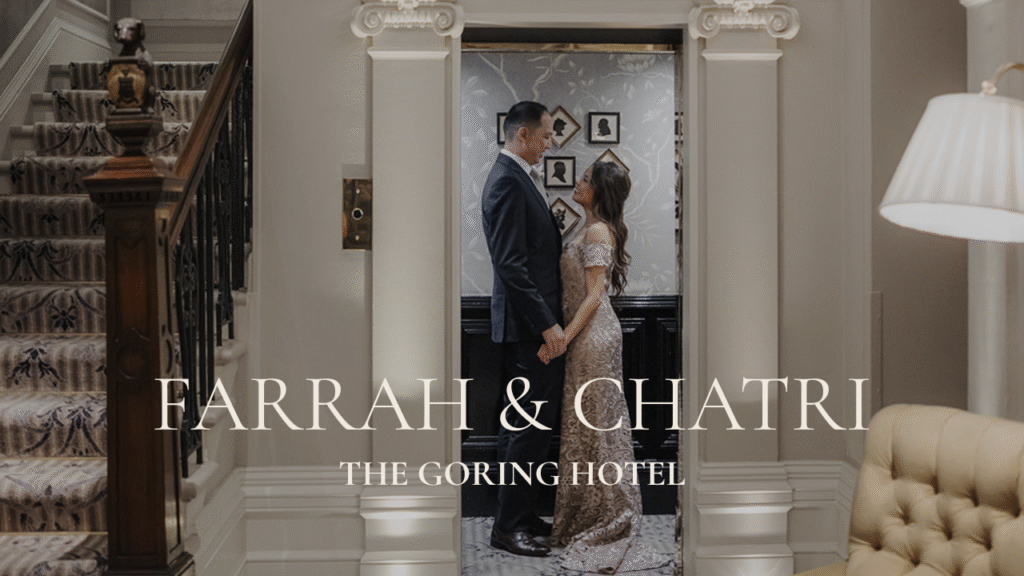
And because this is still a wedding film and photography brand (not a TED Talk), here’s a real example of calm, grown-up coverage near the top — so you can see the vibe before you read 2,000 words about it.
Below you’ll find straight-talking planning advice tailored to later-life couples: making traditions optional, navigating blended families with tact, choosing suppliers who won’t make you feel like you’re “performing”, and building a day that feels like a great party with meaning — not a checklist with a dress code.
Key Takeaways
- Getting married in later life is a chance to plan with confidence — fewer “shoulds”, more choices that genuinely fit the couple.
- Traditions are optional. Guest experience is not. The best weddings feel relaxed, stylish, and personal.
- Blended families, adult children, and established finances are normal at this stage — clarity and calm communication make everything easier.
- Authentic, documentary-style photo + film matters more than ever when couples want to feel comfortable and look like themselves.
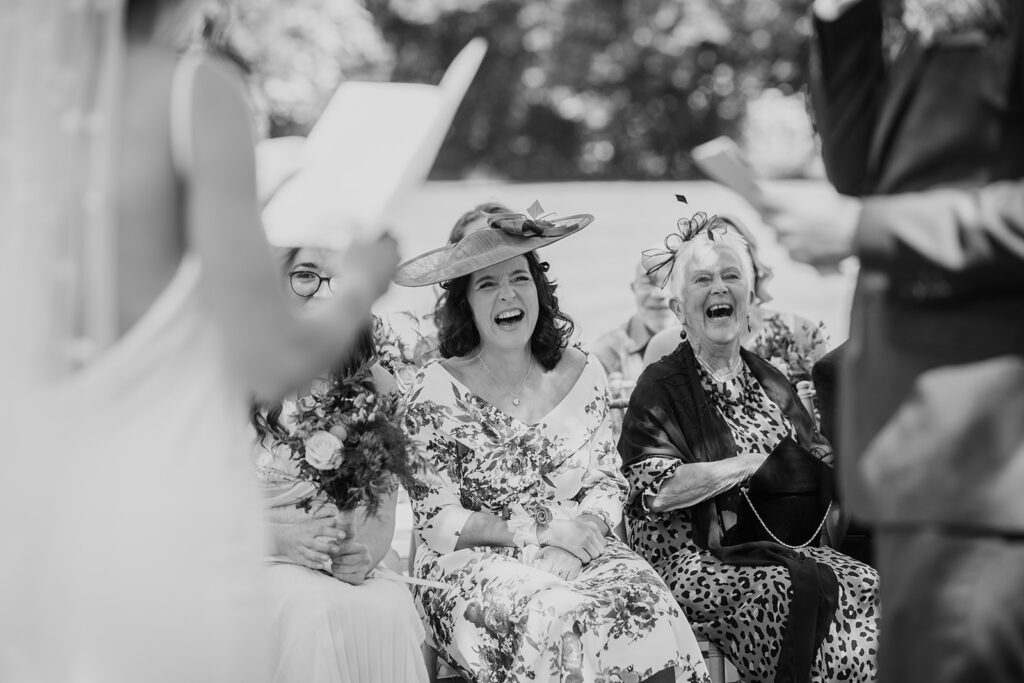
Why Getting Married in Later Life Feels Different (In a Good Way)
Getting married in later life tends to feel calmer because the priorities are clearer. Couples usually care less about impressing people and more about enjoying the day. Which, frankly, is the whole point.
You know what you actually like
Later-life couples often have a stronger sense of style and a better radar for nonsense. They’re less likely to plan a wedding based on what a stranger on the internet says is “in” this year.
That usually leads to better decisions: a venue with character, food people genuinely enjoy, and suppliers who feel like calm professionals — not hype merchants.
More freedom, fewer obligations
Getting married in later life can mean more financial flexibility and fewer “pity invites”. The guest list becomes intentional. The atmosphere improves overnight.
It also means couples can spend where it matters to them. For many, that’s photo + film — because everything else disappears quickly, and these are the only bits that bring the day back properly.
A more meaningful kind of celebration
At this stage, guests aren’t just there for a party. They’re there because they’ve been part of the couple’s story. That creates a warmer room, better speeches, and fewer awkward conversations with people you haven’t seen since 2009.
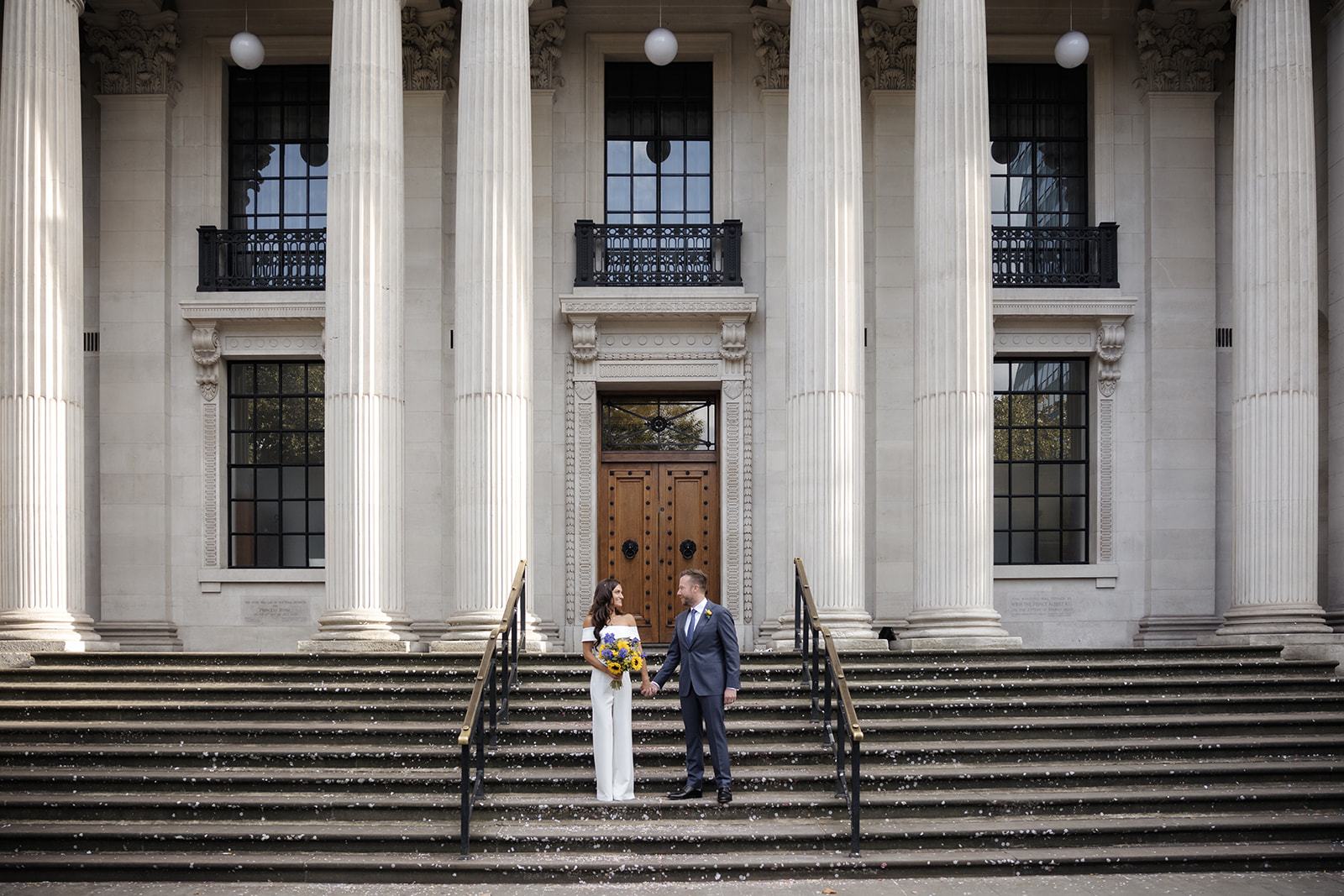
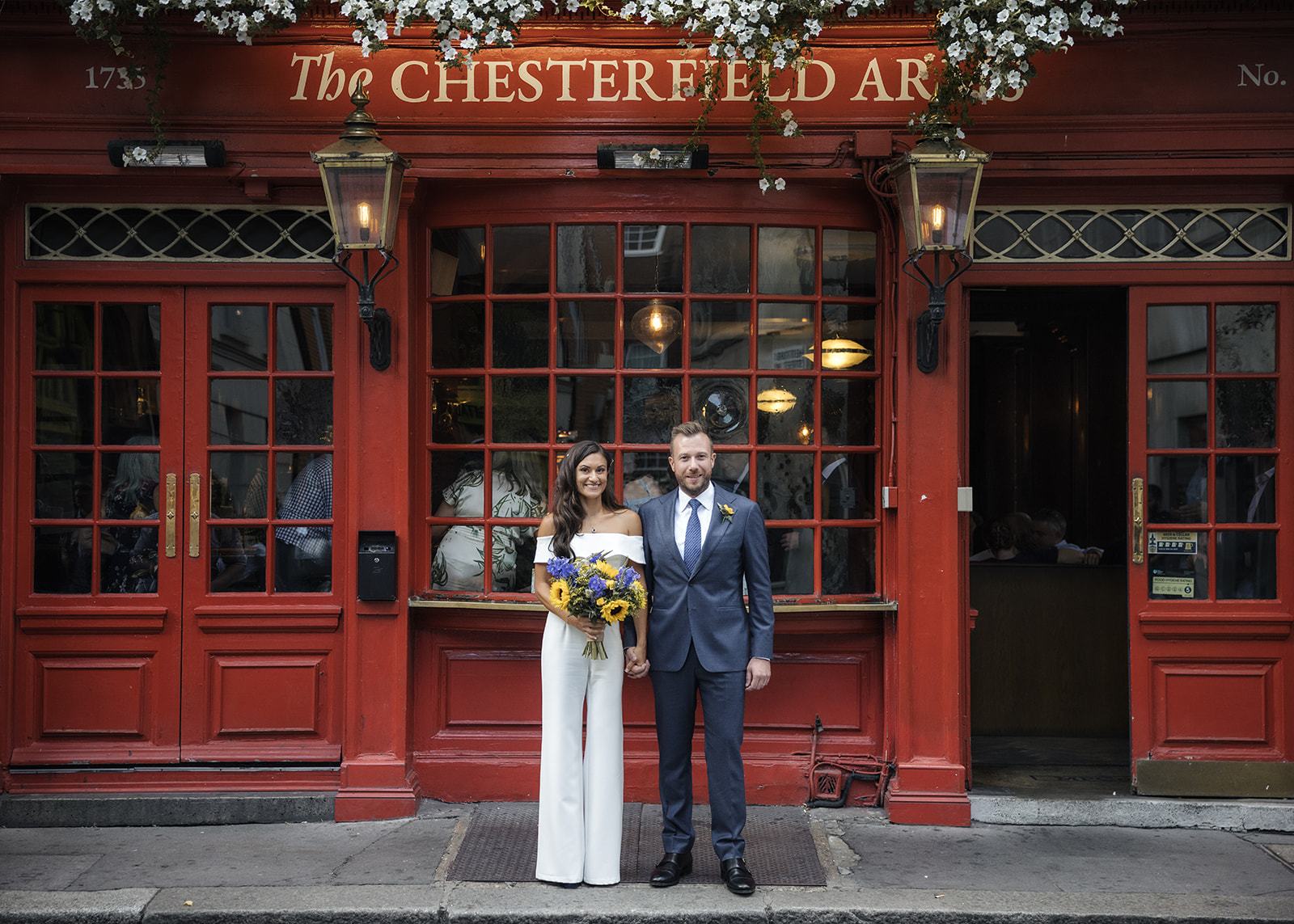
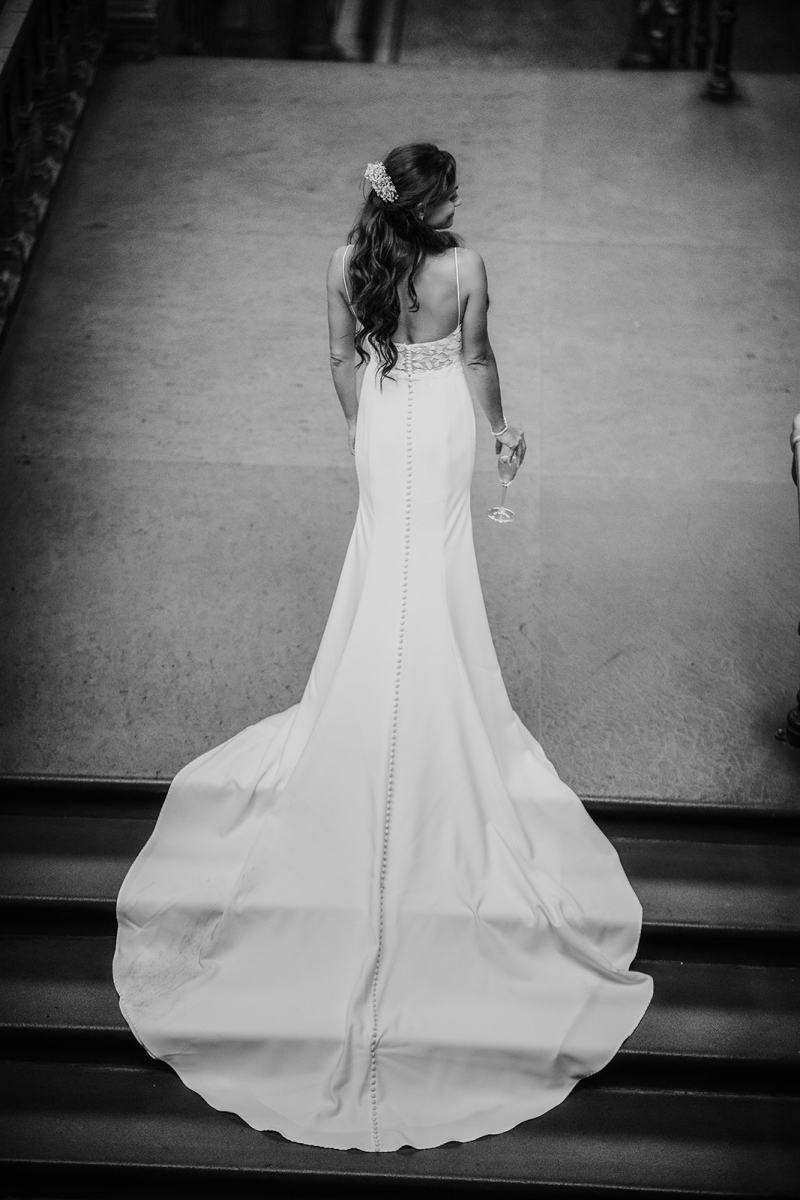
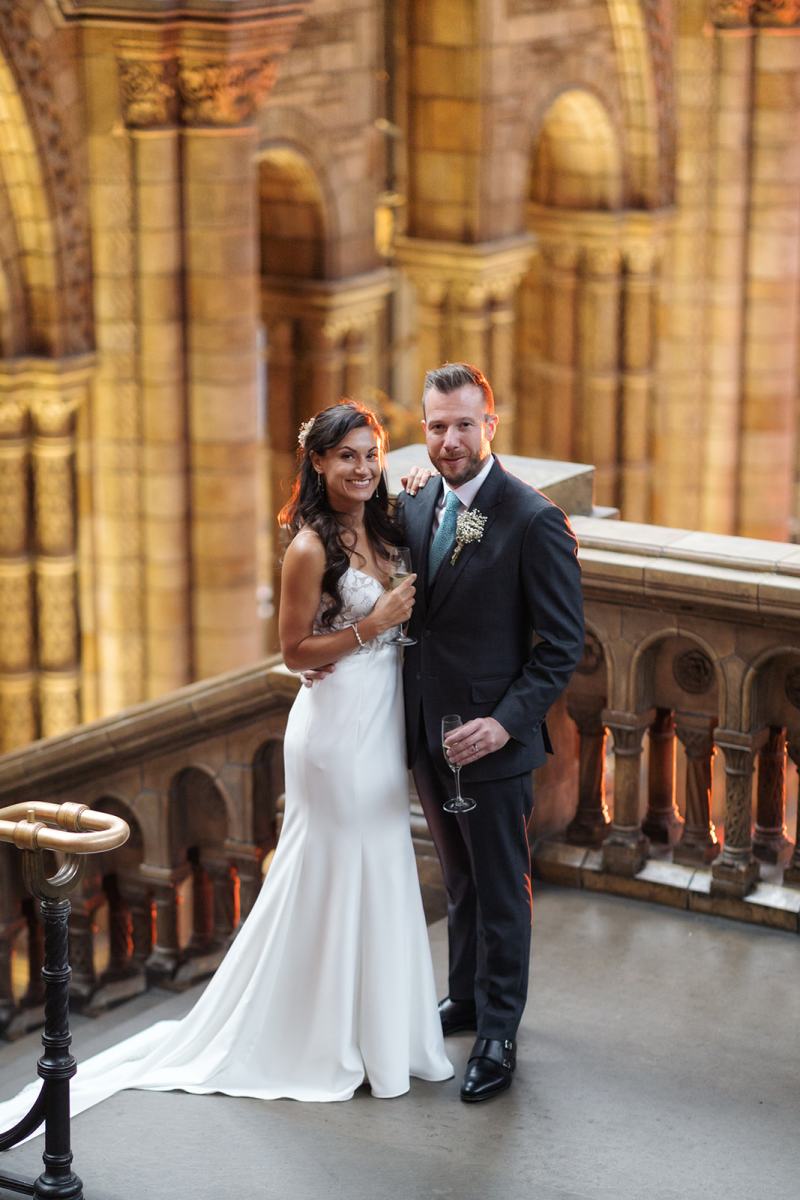
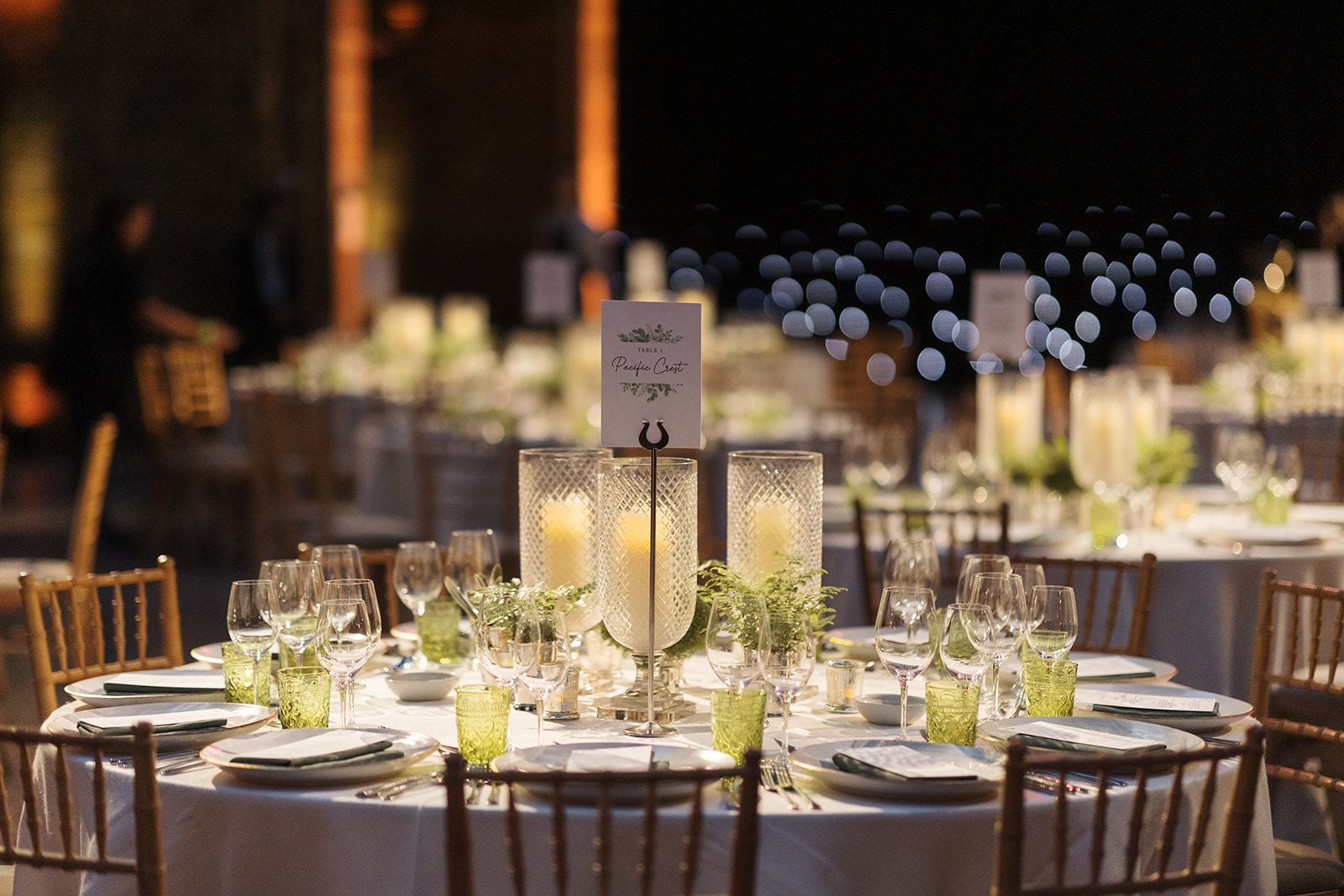
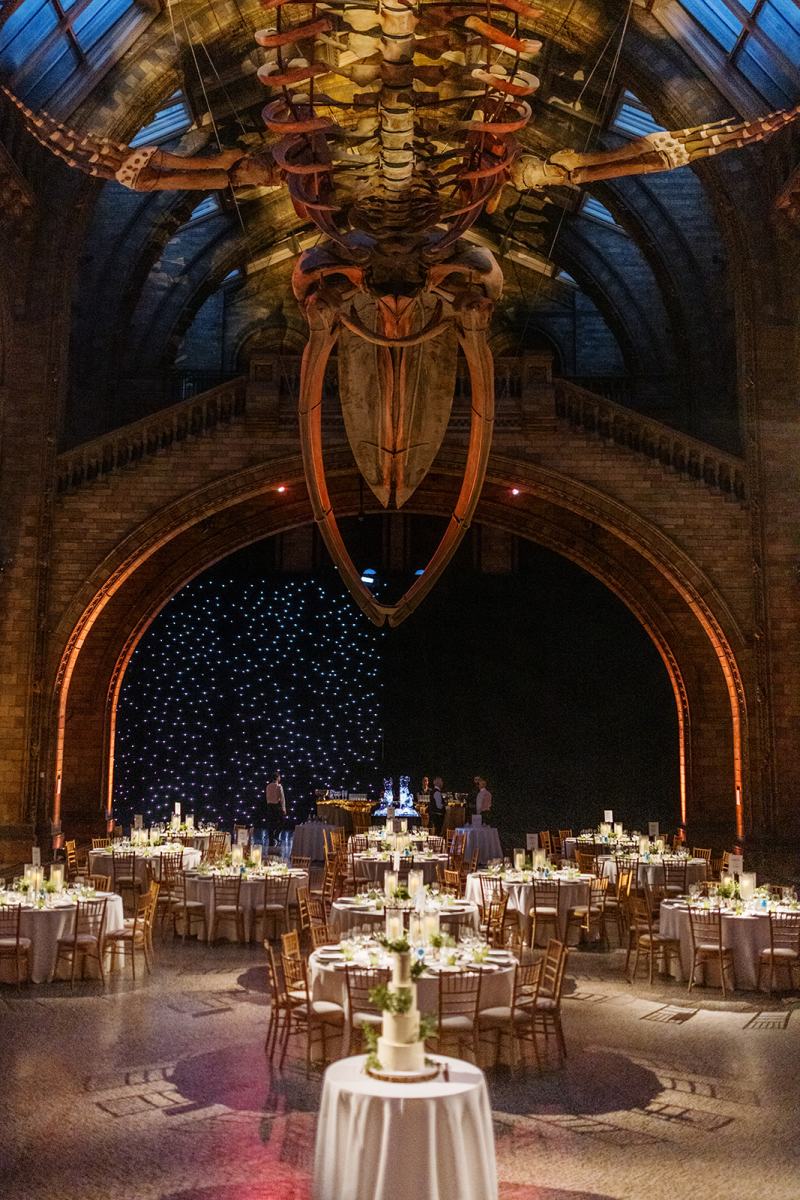
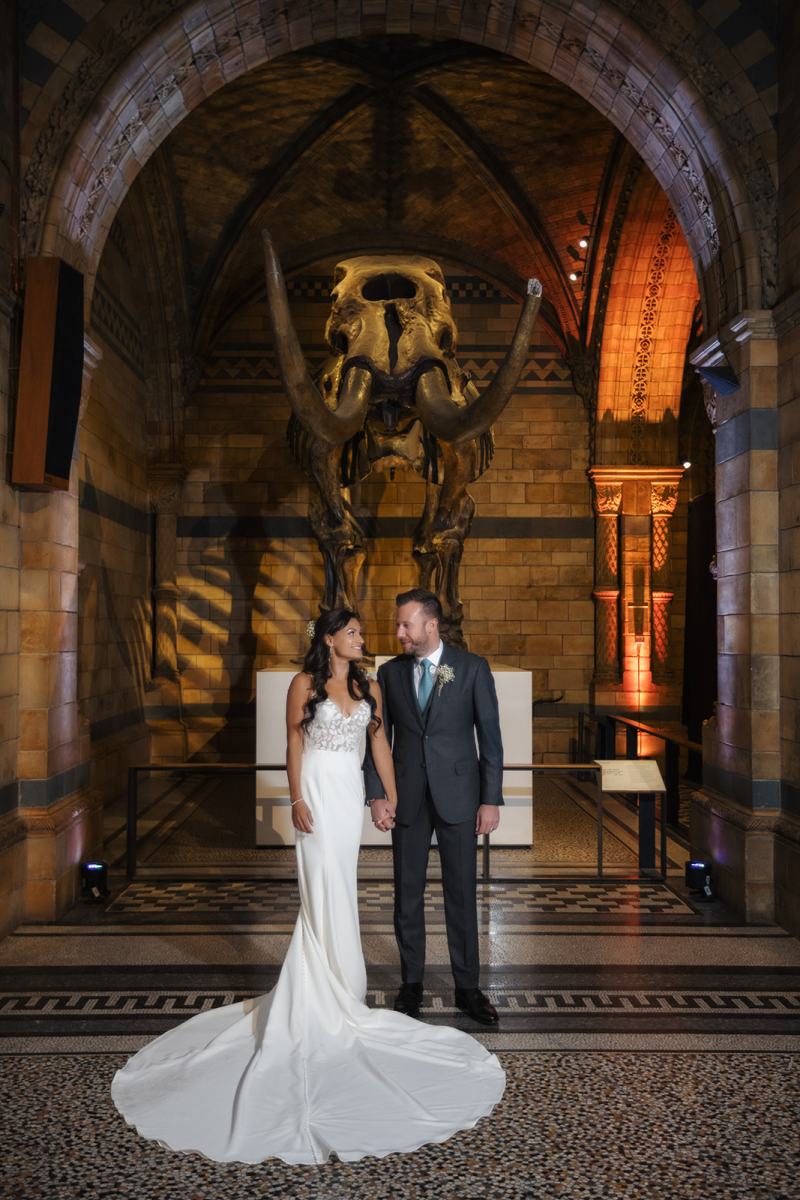
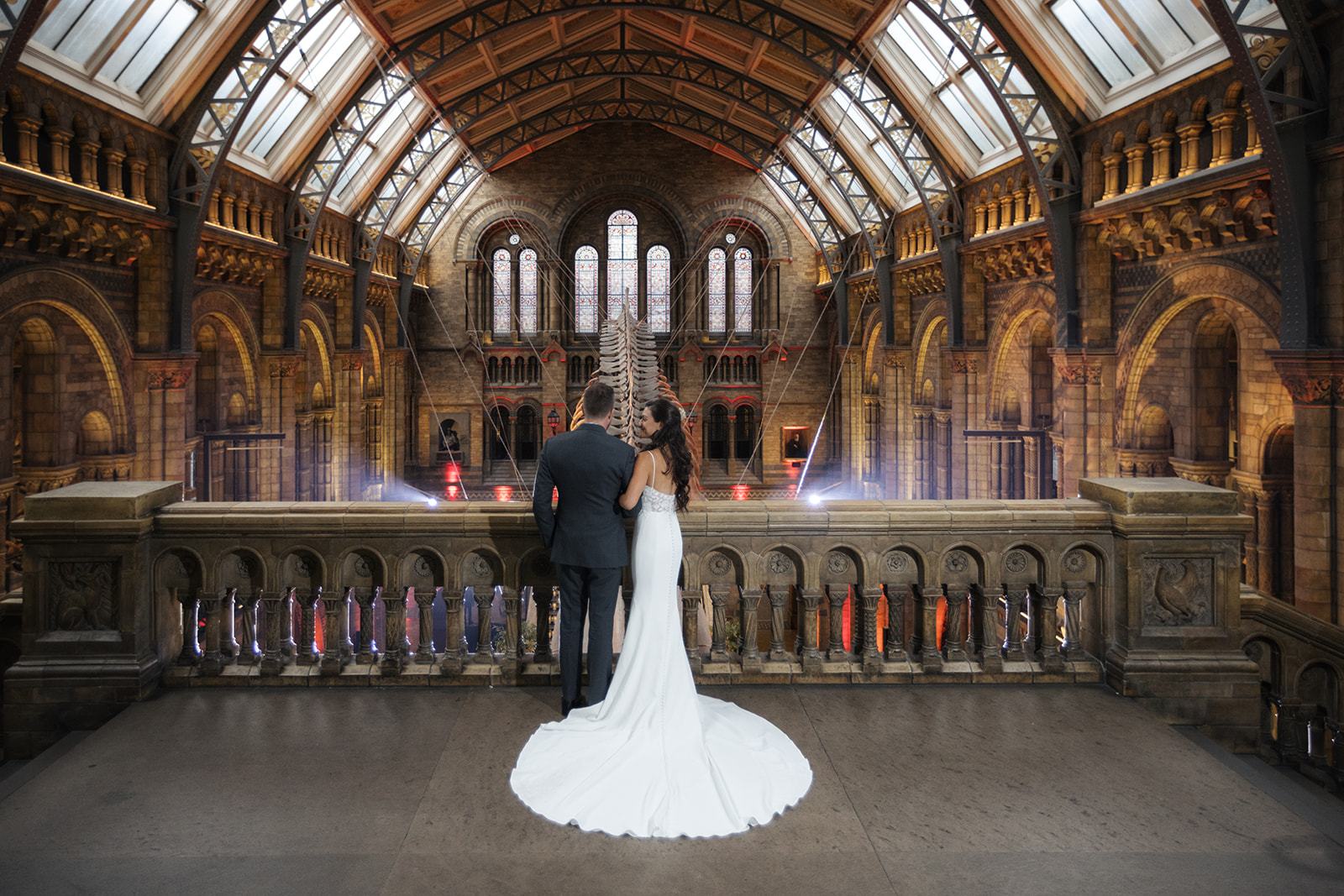
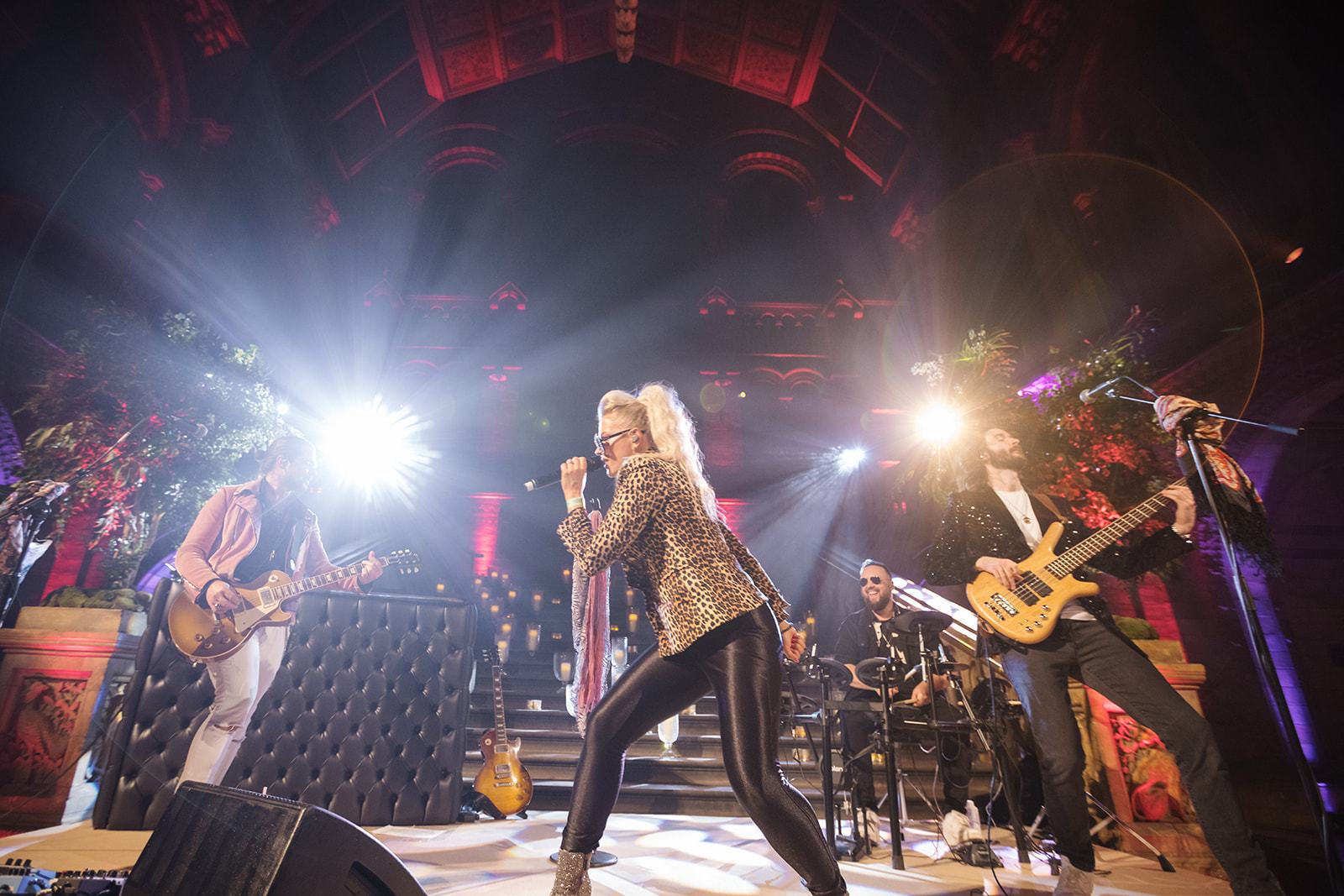
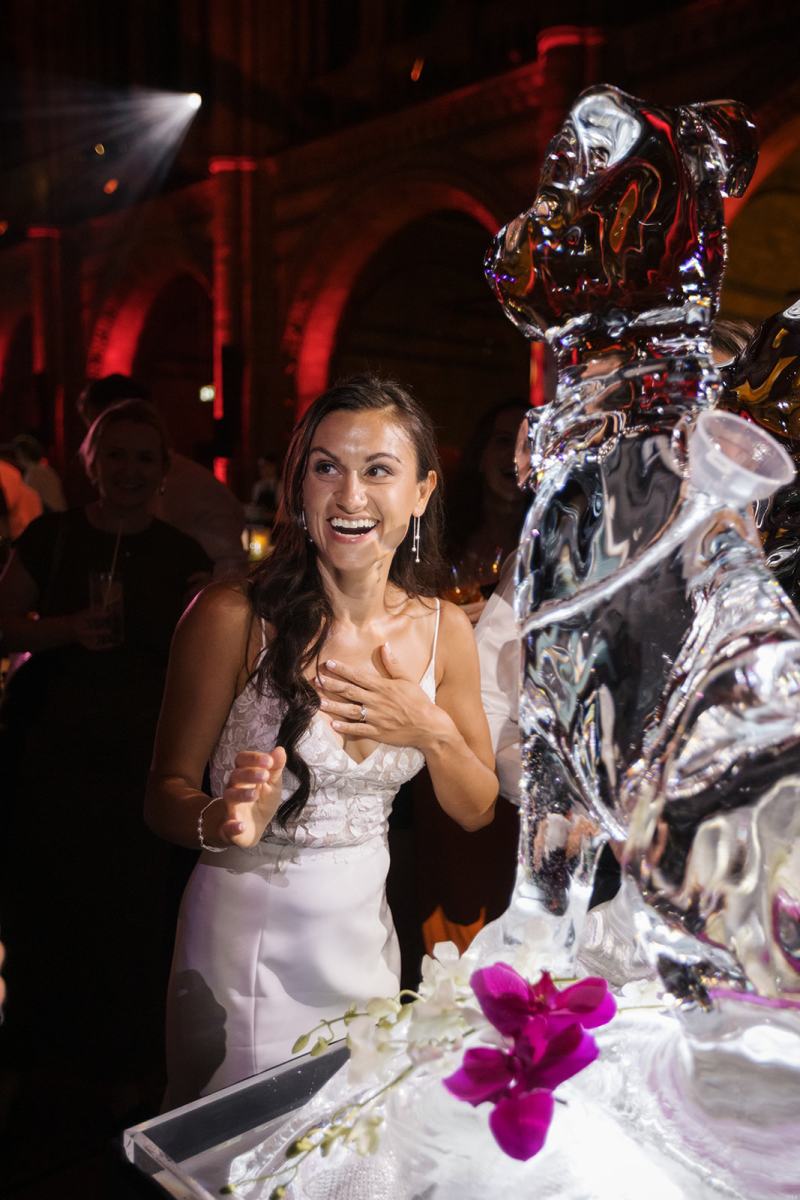
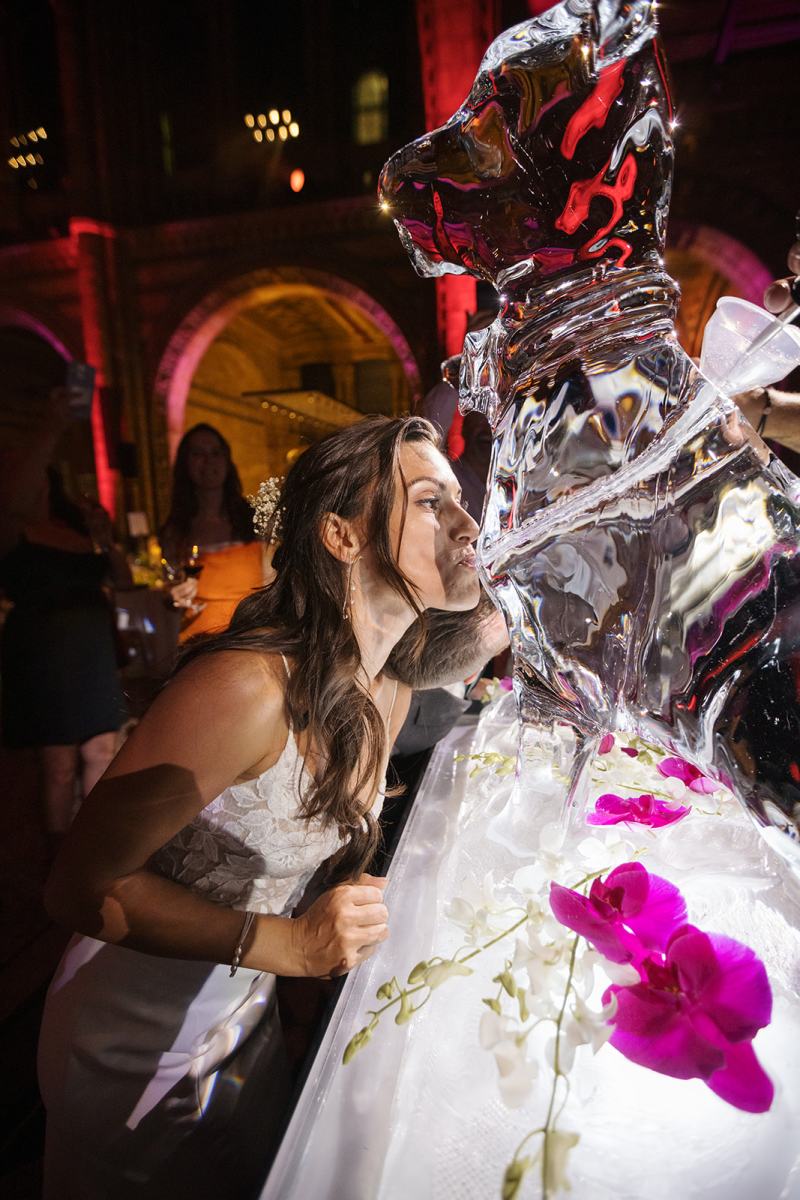
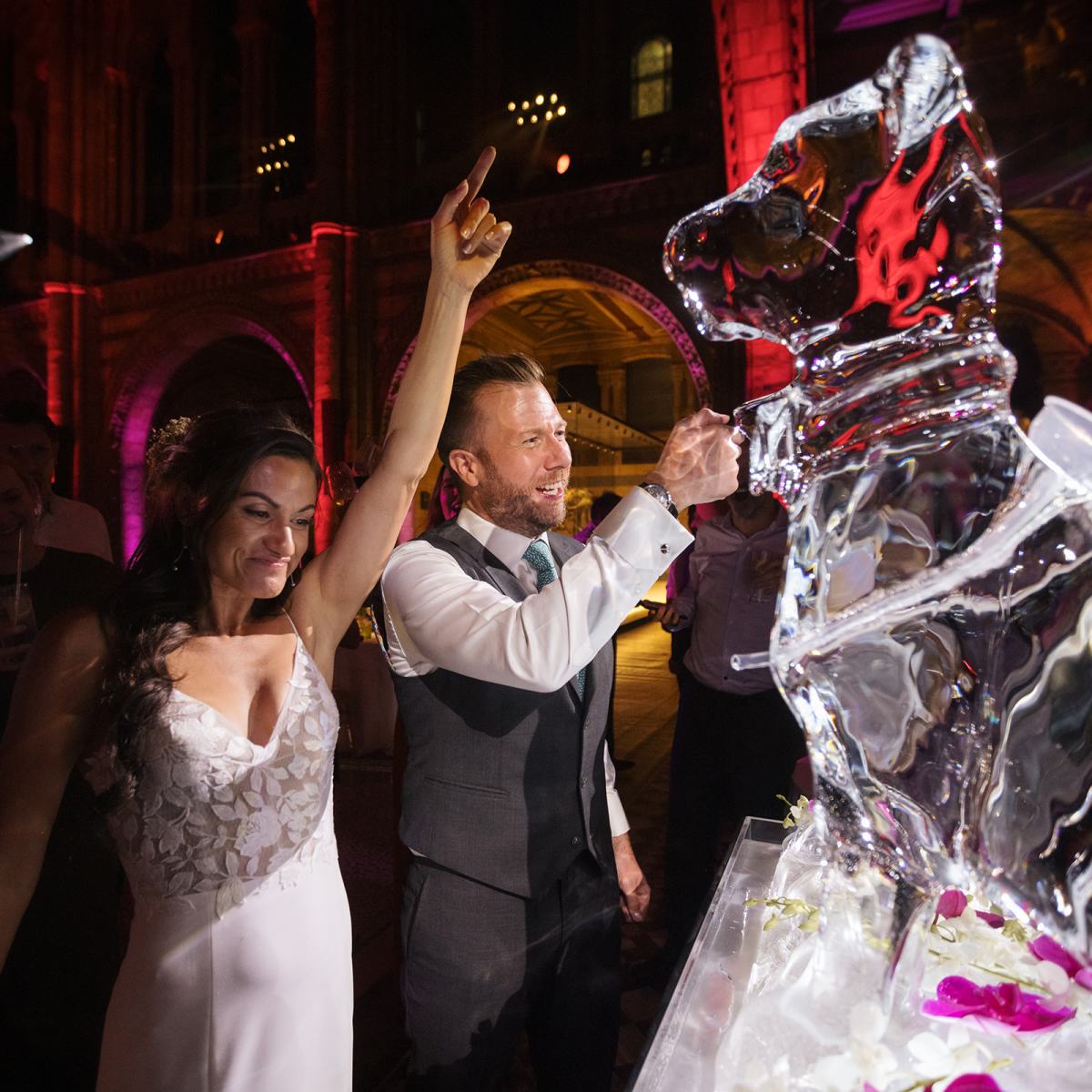
Your Day, Your Rules: Traditions, Style, and Confidence
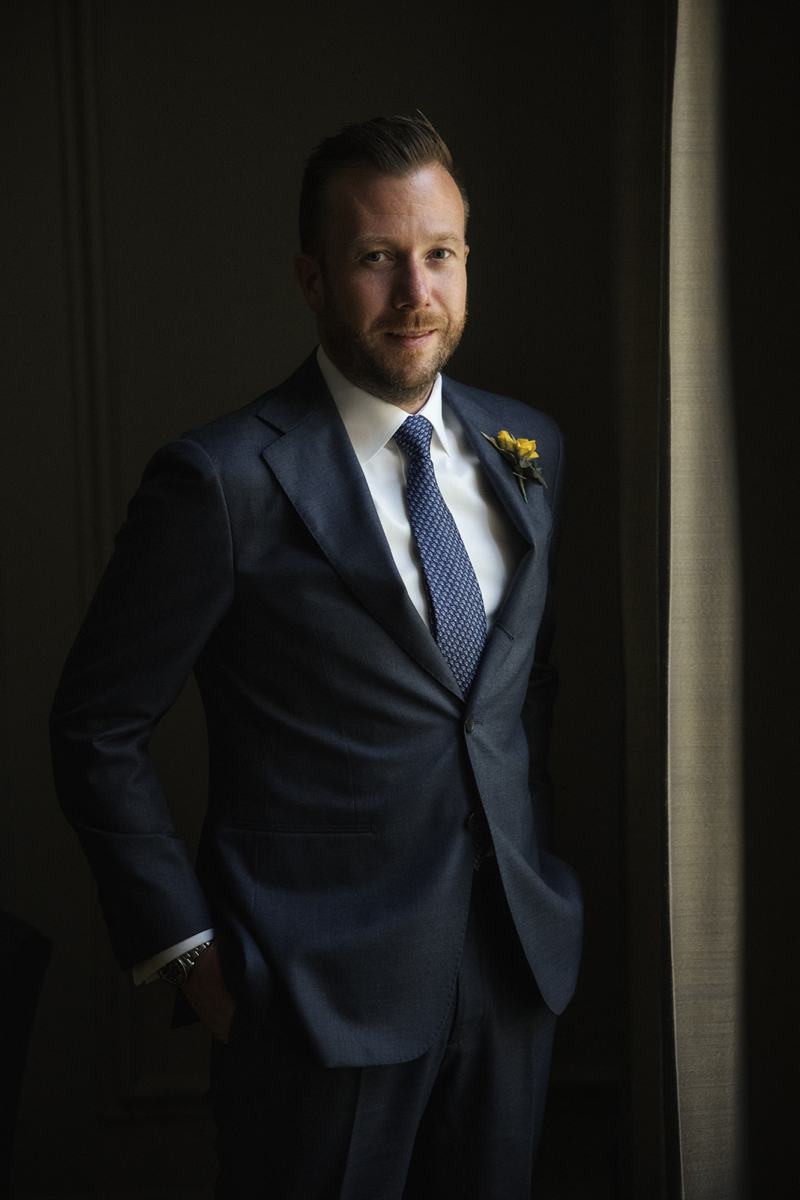
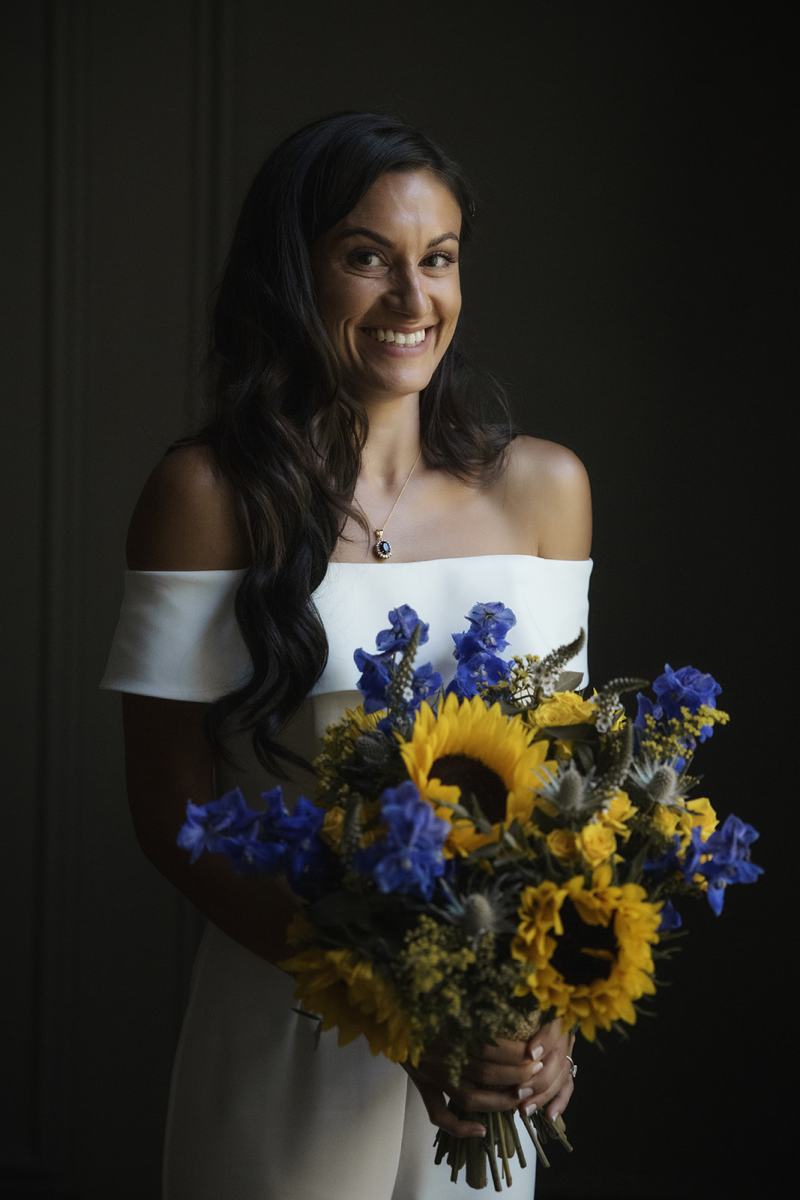
One of the best parts of getting married in later life is the freedom to keep, adapt, or bin traditions without feeling like you’re doing it “wrong”. The only real rule is that the day should feel like the couple.
Traditions: keep the meaningful ones, skip the rest
If something matters to you, keep it. If it doesn’t, don’t force it. Nobody has ever looked back on a wedding and said, “Shame about the missing garter toss.”
For UK planning basics and legal requirements, GOV.UK is still the most sensible place to start: marriages and civil partnerships in the UK.
Style that feels like confidence (not a costume)
Forget “age-appropriate”. The best later-life wedding style is simply: well-made, well-fitted, and comfortable enough to enjoy the day.
- Tailored suits: sharp, modern, and flattering without feeling stiff
- Jumpsuits and separates: ideal for city weddings or relaxed venues
- Minimalist dresses: timeless, elegant, and easy to wear
Accessories: meaningful beats “weddingy”
Later-life couples often choose accessories with a bit more intention — heirloom pieces, handcrafted jewellery, or something that feels like them, not a generic bridal checklist.
If you’re looking for elegant, modern sterling silver pieces (without the over-the-top “bridal” vibe), you can learn more about BIBIE and their collections.
Family Dynamics: Adult Children and Blended Families
Getting married in later life often means the wedding isn’t just about two people. It can include adult children, grandchildren, step-parents, and a few complicated histories. None of this is a deal-breaker. It just needs a bit more thought and a bit less pretending everything is “simple”.
Involving adult children (without making it weird)
Adult children don’t need to be shoehorned into traditional roles to feel included. The best options are usually straightforward and genuine:
- A reading during the ceremony
- Walking in together as a family
- Witnessing the ceremony
- A toast that’s short, warm, and not a stand-up routine

Blended families: calm planning beats forced “unity” moments
The most helpful thing couples can do is talk early, set expectations, and plan the day so people feel comfortable. Seating plans matter. Timing matters. And so does giving everyone enough space to just get on with it.
When couples want practical planning guidance (timelines, etiquette, guest experience), UK wedding planning platforms like Hitched’s wedding planning advice can be a useful reference point — especially for the “what do we actually need to do?” bits.
Photo + Film for Later-Life Couples Who Hate Fuss
For couples getting married in later life, photo and film often matters more — because the day tends to be less about performance and more about people. The goal isn’t to look like someone else. It’s to look like yourselves, on a very good day.
Why documentary coverage works so well
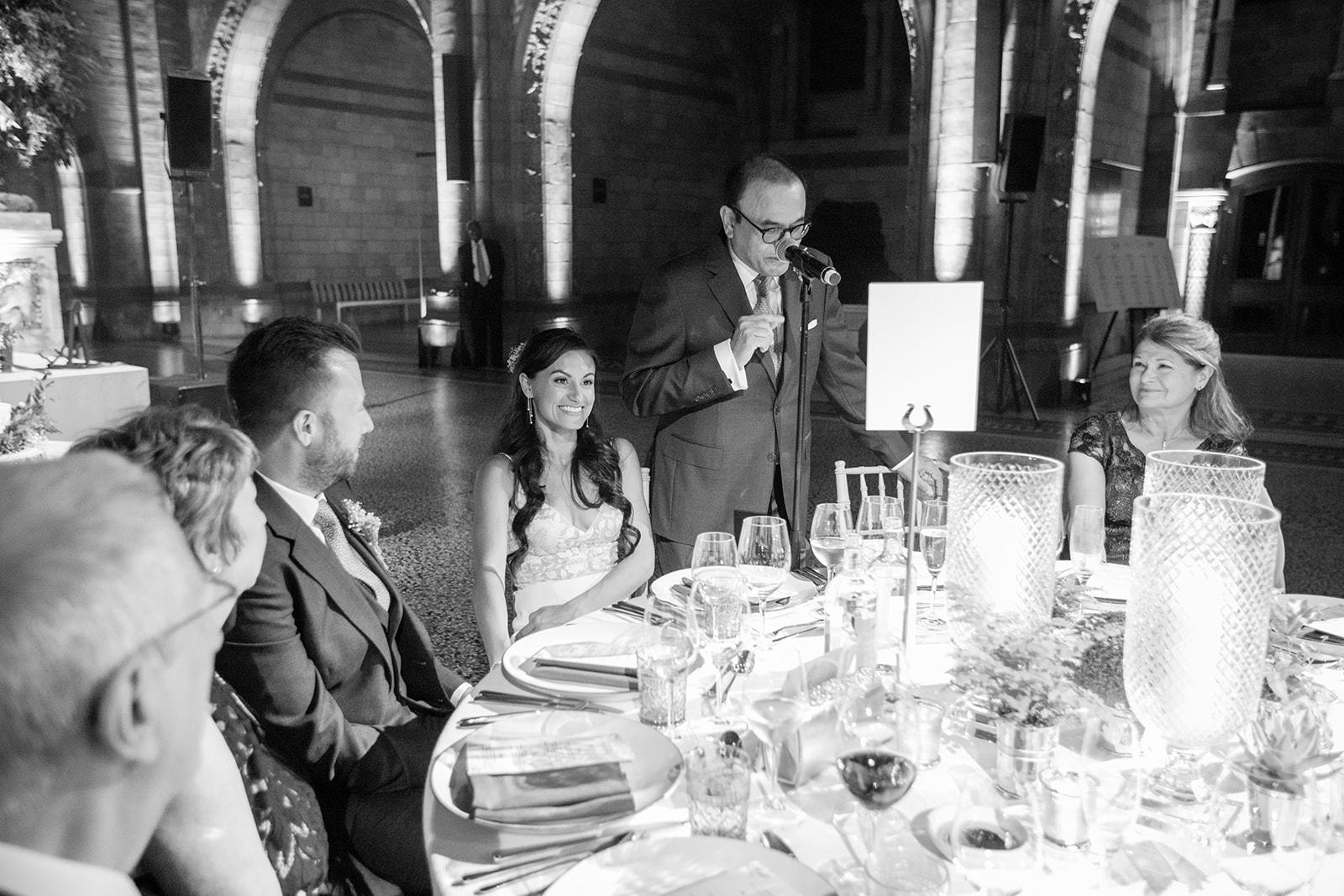
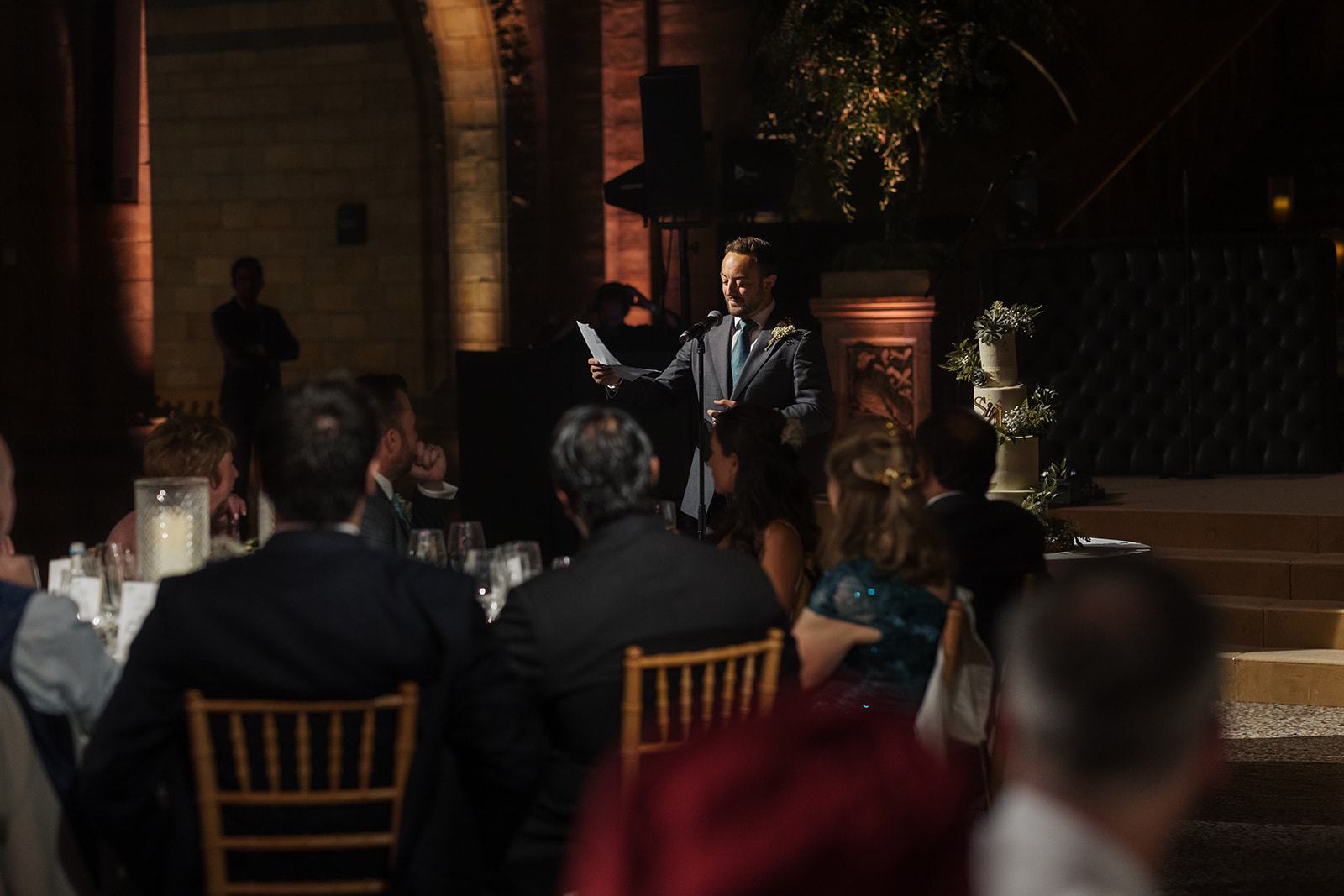
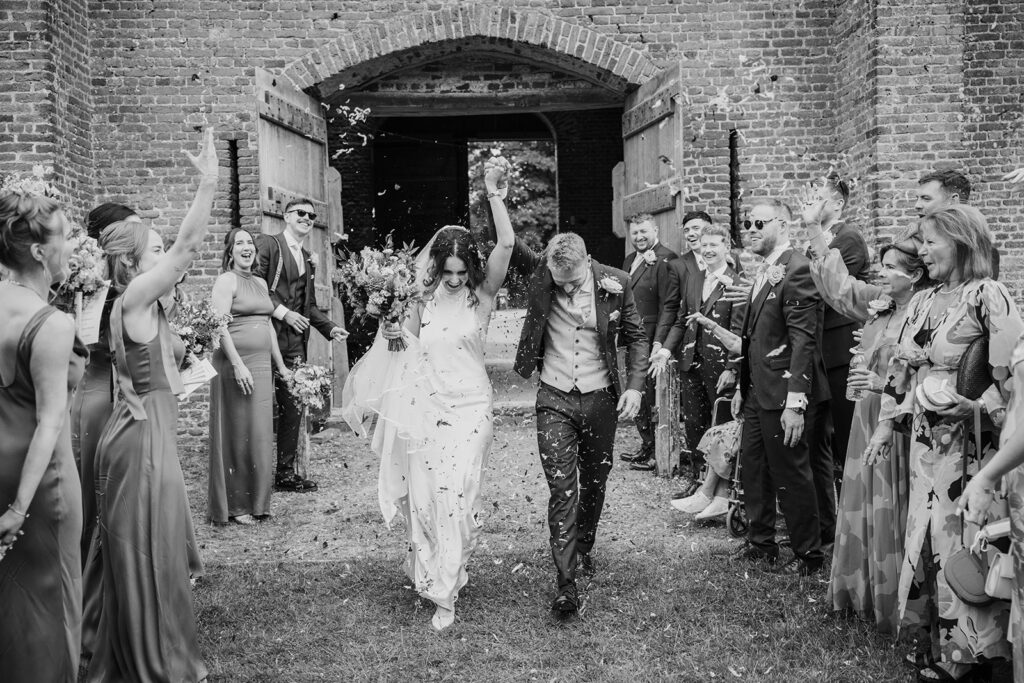
Documentary/reportage coverage is ideal for couples who don’t want awkward posing. It captures real moments as they happen, with gentle direction only when it helps.
It also means the couple can enjoy their wedding without being led around the venue for an hour while guests wonder whether to start without them.
What to look for in a portfolio
Highlights are designed to impress. Full galleries and full films show consistency. Couples should ask to see complete work from a similar type of wedding — not just a 60-second montage.
- Do couples look relaxed and like themselves?
- Is the edit timeless, or aggressively trendy?
- Can vows and speeches be heard clearly?
- Does the work look good in low light as well as sunshine?
If you want a practical guide on choosing a style that suits you, this is useful: finding your perfect wedding photography style.
Practical Planning That Makes the Day Feel Easy
Getting married in later life often means couples want a day that feels enjoyable, not exhausting. The best planning decisions are usually the ones that reduce friction: a timeline with breathing space, a venue that doesn’t need “wedding-ifying”, and suppliers who are calm enough to handle curveballs without turning it into a crisis.
Choose a venue that does the heavy lifting
Character beats clutter. A venue with good light, good flow, and a bit of atmosphere saves you from over-styling everything. It also makes the day feel more like a celebration and less like a staged set.
Build a timeline that suits how you actually socialise
The classic “ceremony at 2, meal at 4, speeches at 6” isn’t mandatory. Later-life couples often prefer:
- A late morning ceremony + long lunch + early finish
- An evening ceremony + cocktails + live music
- A weekend “house party” vibe with a relaxed second day
- A weekday wedding for better availability and calmer venues
Destination weddings and honeymoons: health, insurance, and sensible admin
Some couples getting married in later life choose to go abroad — for the wedding, the honeymoon, or both. If that’s on the cards, it’s worth being a bit more grown-up about the practical side: wedding insurance, pre-existing conditions, and whether you need vaccinations depending on the destination.
For anyone seeking broader reading on later-life marriage trends and the realities that can accompany them, here is a reference: the National Library of Medicine (NLM) article. (It’s not “wedding planning” content — it’s background reading, for people who like the data.)
Some couples getting married in later life choose to go abroad — for the wedding, the honeymoon, or both. If that’s on the cards, it’s worth being a bit more grown-up about the practical side: wedding insurance (to protect deposits and supplier bookings), travel insurance that properly covers pre-existing conditions, and whether you need vaccinations depending on the destination.
For a practical UK overview of wedding insurance (what it can cover and what to check), this is a solid starting point: Hitched wedding insurance advice.
And if you’re travelling further afield, it’s worth checking official health guidance for your destination — especially if you’re planning a long-haul trip or you’re managing regular medication. It’s not about being dramatic. It’s about avoiding a last-minute headache.
For anyone who likes the data and wants broader reading on later-life marriage trends and the realities that can come with them, here’s the medical/research reference we’re including: National Library of Medicine (NLM) article. (Background reading, not wedding planning advice.)
Comparison Table: What Matters Most When Getting Married in Later Life
| Decision | What matters | What usually doesn’t |
|---|---|---|
| Guest list | People you genuinely want there | Obligation invites and “politics” |
| Timeline | Breathing space and time with guests | Rigid schedules that feel like a production |
| Style | Tailoring, comfort, quality | Rules about what you “should” wear |
| Photo + film | Calm team, full galleries/films, clean audio | Choosing based on highlights alone |
| Traditions | Only the ones that mean something | Anything done to please other people |
Wedding film example: a punchier short edit
For couples who want something shorter (and easier to share), this is a good reference point for pacing and tone. Still real. Still grown-up. Just tighter.
Why Boutique Weddings Works So Well for Later-Life Couples
Getting married in later life is usually less about “wow moments” and more about how the day feels. Boutique Weddings is a strong fit for couples who want calm, professional coverage with a relaxed, editorial look.
1) Calm, experienced coverage (no flapping)
Experience shows up in the moments nobody posts online: when timings shift, when weather turns, when family dynamics need a bit of tact. A calm team keeps things moving without making it a big deal.
2) Relaxed, documentary approach (no cheesy posing)
Boutique’s style is editorial and reportage. That means real moments, minimal posing, and gentle direction only when it helps.
3) One team for photo + film
Booking photography and videography together keeps the day smoother. One plan. One style. No competing directions.
If you want the practical reasons laid out clearly, this explains it properly: combined wedding photography and videography.
Kind words from couples
Kind words from couples
“We’re not natural in front of the camera, but nothing felt forced. It was calm, easy, and we actually enjoyed it — which is not something we expected to say.”
— Donna & Dan
“From the first chat, we felt completely looked after. On the day they were discreet, organised, and somehow everywhere without being ‘in the way’.”
— Sylvia & Dan
“We wanted something relaxed and natural, and that’s exactly what we got. The film feels like us — not a performance.”
— Mr & Mrs Wilson
Another film example: elegant, grown-up storytelling
For couples getting married in later life, the best films usually feel timeless — clean audio, real moments, and an edit that doesn’t try too hard. Here’s another example with a slightly different feel.
FAQs: Getting Married in Later Life
Is it “normal” to get married in your 40s, 50s, or 60s?
Completely. It’s increasingly common, and for many couples it’s a genuinely better experience — more confidence, clearer priorities, and less pressure to do things just because “that’s what weddings do”.
Is it appropriate to have a big wedding later in life?
Yes. The size of the wedding should match the couple, not their age. If a big party feels right, do it. If a small dinner with the people you love most feels right, do that. Nobody gets a prize for suffering through a format they don’t enjoy.
What should couples wear when getting married in later life?
Whatever makes them feel like the best version of themselves. Great tailoring, quality fabrics, and comfort matter more than following trends. The goal is to feel confident and relaxed — not like you’re wearing a costume.
How do we involve adult children without making it awkward?
Give them meaningful roles that suit their personality: a reading, witnessing, walking in together, or a short toast. The best approach is usually simple and genuine, not overly choreographed.
How do we handle blended families and tricky dynamics?
Talk early, set expectations, and plan the day so people feel comfortable. A thoughtful seating plan and a calm timeline do more than any “unity” moment ever will.
Do we need a videographer for a smaller wedding?
Often, yes — arguably more so. Smaller weddings have more intimate moments, and a good film captures the atmosphere properly: vows, speeches, reactions, and the bits you don’t see while you’re in it.
We hate posing. Will we look awkward in photos?
Not with the right team. A documentary approach focuses on real moments and gentle direction when needed. Couples shouldn’t be forced into stiff poses — they should be helped to feel comfortable.
What’s the best time of day for photos if we want it relaxed?
Build in short pockets of time rather than one long “photoshoot”. A calm 10–15 minutes here and there is usually plenty, especially if the team is capturing candid moments throughout the day.
Should we do a first look?
If it suits you. Some couples love the privacy and calm of seeing each other before the ceremony. Others prefer the traditional aisle moment. Neither is “right” — it’s about what feels most like you.
How far in advance should we book photo and film?
As early as you can once you’ve chosen a date and venue. Later-life couples often pick popular venues and dates (especially for smaller, premium weddings), and the calmer, experienced teams tend to book up first.
What questions should we ask a photographer/videographer before booking?
Ask to see full galleries/films, how they handle low light, how they approach posing, what backup plans they have, and what the process looks like from booking to delivery. You’re looking for calm competence, not just a nice Instagram feed.
FAQ video: quick answers, no fluff
If you’d rather hear the answers than read them, here’s a short FAQ video that covers the practical bits in plain English.
Related reading
- Finding your perfect wedding photography style
- Combined wedding photography and videography
- Wedding planning advice and real weddings (Blog)
- Wedding films portfolio
- Contact / availability
Follow along
If you want more real weddings (and fewer staged “wedding content” moments), you can follow Boutique on Instagram, Facebook, TikTok, and YouTube. Fair warning: you may end up accidentally watching speeches and crying into your tea.